How much protein do you need to build muscle?
The best evidence says extra protein stops adding muscle near 1.6 g per kilogram a day. Here is what moves that number, from age and dieting to plant-based eating and how you split your meals.
The short answer
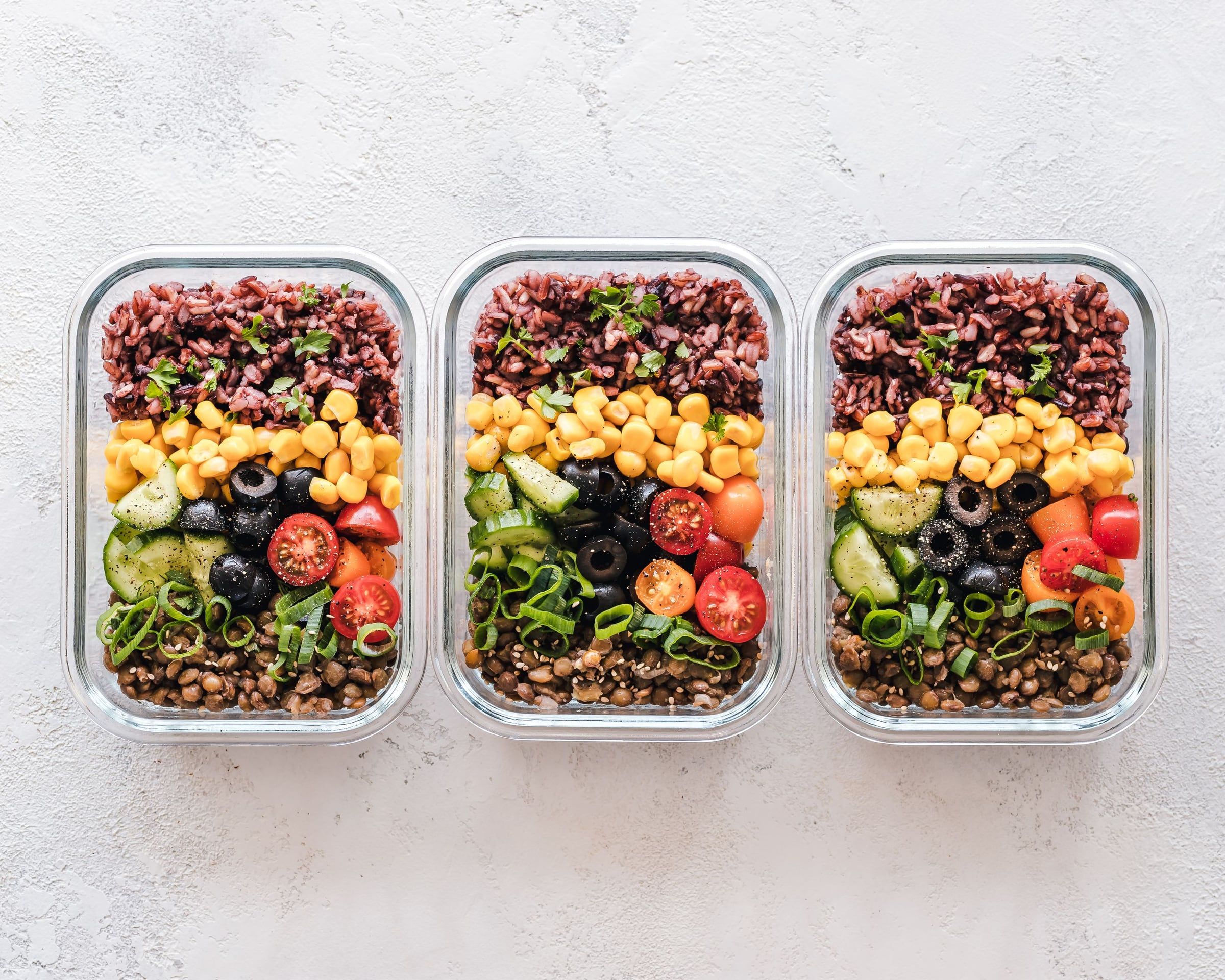
For people who lift, about 1.6 g of protein per kilogram of body weight a day (0.7 g per pound) captures nearly all of protein's benefit for muscle growth. The upper end of the uncertainty is 2.2 g/kg (1 g per pound), a sensible ceiling. The RDA of 0.8 g/kg prevents deficiency; it is not a muscle-building target. Spread your protein over 3 or 4 meals of about 0.4 g/kg, and eat more if you are dieting.
What we know, and how well
Adding protein to a resistance-training program increases muscle gains in healthy adults, but the average extra gain is modest: about 0.3 kg of fat-free mass.
Extra protein stops adding measurable muscle at a total intake of about 1.6 g/kg a day; the uncertainty around that estimate runs from about 1.0 to 2.2 g/kg.
Eating protein in a narrow window around a workout makes little difference to muscle gain once total daily protein is matched.
In older adults, extra protein increases lean mass and grip strength when combined with resistance training, but adds little on its own.
During a calorie deficit, eating more protein than the RDA preserves more lean mass.
In healthy adults, higher-protein diets have not been shown to harm kidney function in trials lasting up to several months.
Contents
- How much protein do you need a day to build muscle?
- Is the RDA of 0.8 g/kg enough?
- What do the new US dietary guidelines say about protein?
- Do you need 1 gram of protein per pound?
- How much protein is that for your body weight?
- Do you need more protein as you get older?
- How much protein do you need when you are losing weight?
- Can you build as much muscle on plant protein?
- Does training experience or sex change the number?
- How much protein can your body use in one meal?
- Does protein timing matter?
- How do you hit your protein target with real food?
- Is a high-protein diet safe?
- What should you do?
- Questions people ask
- References
Ask how much protein you need to build muscle and you will hear two confident answers: the official 0.8 g per kilogram of body weight is plenty, or anything under 1 g per pound (2.2 g/kg) wastes your workouts. The research lands in between, with a clear dose, a sensible ceiling and a few situations that move the number.
How much protein do you need a day to build muscle?
If you do resistance training, about 1.6 g of protein per kilogram of body weight a day gets you nearly all of protein’s extra benefit for muscle growth, and up to 2.2 g/kg is a reasonable margin. That is about 0.7 to 1 g per pound.
1.6g/kg/day
Intake above which extra protein stopped adding measurable muscle1.
2.2g/kg/day
Upper end of that estimate's 95% confidence interval: 1 g per pound.
0.3kg
Average extra fat-free mass from adding protein to training.
That 1.6 figure is less precise than it looks. Its 95% confidence interval ran from 1.03 to 2.20 g/kg, it rested on 42 study groups with 723 people, and the two-phase model that produced the plateau was not a statistically significant improvement on a straight line1. The authors suggested about 2.2 g/kg for anyone who wants to be sure of maximizing gains.
Later syntheses agree, with a twist. A meta-analysis of 105 trials and 5,402 people found that each extra 0.1 g/kg a day was linked to about 0.39 kg more lean mass below a total intake of 1.3 g/kg and about 0.12 kg above it; with resistance training, gains kept creeping up past 1.3 g/kg2. The curve bends rather than stops. A 2022 meta-analysis of 74 trials found the benefit small but real in people who lift, and significant at 1.6 g/kg or more in adults under 653. The International Society of Sports Nutrition (ISSN) recommends 1.4 to 2.0 g/kg for most exercising people4.
Keep the effect in proportion. Training makes muscle grow; protein supplies the material (see how muscles grow). A 2026 American College of Sports Medicine position stand, drawing on 137 systematic reviews with more than 30,000 participants, found that resistance training increased muscle size and strength, with more growth at 10 or more sets a week5. No amount of protein replaces that stimulus.
Is the RDA of 0.8 g/kg enough?
The RDA of 0.8 g/kg a day prevents protein deficiency in nearly all healthy adults, but it was never meant to maximize muscle in people who train or diet.
It comes from nitrogen balance studies, which measure whether the body is gaining or losing protein. A 2003 meta-analysis of 19 such studies in 235 adults put the median requirement at 0.65 g/kg and the intake covering 97.5% of healthy adults at 0.83 g/kg7. The RDA is, in effect, the minimum that prevents a net loss of body protein8.
Trials show where it falls short. A 2020 meta-analysis of 18 randomized trials found that eating more than the RDA added 0.36 kg of lean mass during calorie restriction and 0.77 kg with resistance training (from only 3 comparisons), but nothing measurable in people doing neither9. The RDA is adequate if you are not trying to change your body; it is a floor if you are. Most people already eat more: in national surveys from 2001 to 2014, US adults averaged roughly 1.1 to 1.3 g per kilogram of ideal body weight, lowest at age 71 and over10.
What do the new US dietary guidelines say about protein?
The 2025-2030 Dietary Guidelines for Americans, released in January 2026, promote 1.2 to 1.6 g of protein per kilogram a day, 50 to 100% more than the RDA11,12. The RDA, set separately by the National Academies, remains 0.8 g/kg and was under review as of 202513.
The change is contested. Protein researchers writing in The Journal of Nutrition argue that the new target rests mainly on a rapid review of weight-management trials, gives little weight to chronic diseases such as kidney disease, and cannot justify one number for every American at every age11. Kidney specialists have also questioned the guidelines’ emphasis on high protein intake12. We could not access the guidelines document itself, so this summary relies on these published analyses. For lifters, 1.2 to 1.6 g/kg overlaps the range the muscle research supports. The numbers below differ because they answer different questions.
| Source | For | Protein a day, per kg (per lb) | Purpose |
|---|---|---|---|
| US RDA7,8 | Healthy adults | 0.8 g (0.36 g) | Prevent deficiency |
| Dietary Guidelines 2025-203011 | General public | 1.2 to 1.6 g (0.54 to 0.73 g) | Healthy eating, based mainly on weight-management trials |
| PROT-AGE and ESPEN14,15 | Adults over 65 | 1.0 to 1.2 g (0.45 to 0.54 g); 1.2 g or more if active or ill | Keep muscle and function with age |
| ISSN4 | Exercising adults | 1.4 to 2.0 g (0.64 to 0.91 g) | Build and maintain muscle |
| Morton meta-analysis1 | People doing resistance training | About 1.6 g, up to 2.2 g (0.73 to 1.0 g) | Nearly all of the benefit for muscle growth |
| Helms review16 | Lean lifters in a calorie deficit | 2.3 to 3.1 g per kg of fat-free mass | Keep muscle while losing fat |
Do you need 1 gram of protein per pound?
No. One gram per pound equals 2.2 g/kg, the top of the range where research still detects a benefit, so it is a generous ceiling rather than a requirement.
Several lines of evidence top out there. It is the upper confidence limit in the main meta-analysis1. A tracer study of 8 experienced male bodybuilders estimated their average requirement on a rest day at 1.7 g/kg, with an upper limit of 2.2 g/kg17. The ISSN mentions “novel evidence” that more than 3.0 g/kg may help trained people lose fat4, but nothing shows that anyone needs so much to build muscle.
If 1 g per pound is easy to remember and fits how you eat, short-term trials suggest it is safe for healthy kidneys, though long-term data are thin (see the safety section). Otherwise, 0.7 g per pound gets you nearly all of the benefit.
How much protein is that for your body weight?
Multiply your weight in kilograms by 1.6 for a daily target that captures nearly all of the benefit, with 1.2 and 2.2 as the bottom and top of the realistic range.
| Body weight | 1.2 g/kg (0.54 g/lb) | 1.6 g/kg (0.73 g/lb) | 2.2 g/kg (1 g/lb) | Per meal at 0.4 g/kg, 4 meals |
|---|---|---|---|---|
| 50 kg (110 lb) | 60 g | 80 g | 110 g | 20 g |
| 60 kg (132 lb) | 72 g | 96 g | 132 g | 24 g |
| 70 kg (154 lb) | 84 g | 112 g | 154 g | 28 g |
| 80 kg (176 lb) | 96 g | 128 g | 176 g | 32 g |
| 90 kg (198 lb) | 108 g | 144 g | 198 g | 36 g |
| 100 kg (220 lb) | 120 g | 160 g | 220 g | 40 g |
| 110 kg (243 lb) | 132 g | 176 g | 242 g | 44 g |
These are daily totals from all foods, not just meat or powder.
What if you have a lot of weight to lose?
If you carry a lot of body fat, calculating from your total weight can overstate your needs. In 2,291 adults, targets based on total weight and on fat-free mass differed by a clinically meaningful amount in 78 to 100% of people with overweight or obesity, and the fat-free-mass method usually gave less18. Dietitians sometimes use a corrected weight for a BMI of 30 or more, or measured fat-free mass, and there is no consensus on the best method18,13. Our suggestion is simpler: use a realistic goal weight. At 120 kg (265 lb) and aiming for 90 kg (198 lb), 1.6 g/kg of goal weight is 144 g a day rather than 192 g.
Do you need more protein as you get older?
Yes: older muscle responds less to small servings of protein, so expert groups advise adults over 65 to eat at least 1.0 to 1.2 g/kg a day (1.2 g/kg or more if active), and laboratory studies favor larger servings at each meal.
This blunted response is called anabolic resistance. In pooled laboratory data, muscle protein synthesis in men around 71 plateaued at about 0.40 g of protein per kilogram in a meal, against 0.24 g/kg in men around 2219. In 37 men averaging 71 years, 40 g of whey after a leg workout stimulated more muscle protein synthesis than 20 g20. These are short laboratory measurements, but they fit the finding that protein supplements added less muscle as age rose1.
Expert groups recommend 1.0 to 1.2 g/kg a day for adults over 65, at least 1.2 g/kg for those who exercise, and 1.2 to 1.5 g/kg for most people with acute or chronic illness14,15. In the 2022 meta-analysis, adults aged 65 and over who lifted gained more lean mass at 1.2 to 1.59 g/kg3. Many older adults sit at the bottom of these ranges: Americans aged 71 and over averaged about 1.1 g per kilogram of ideal body weight10.
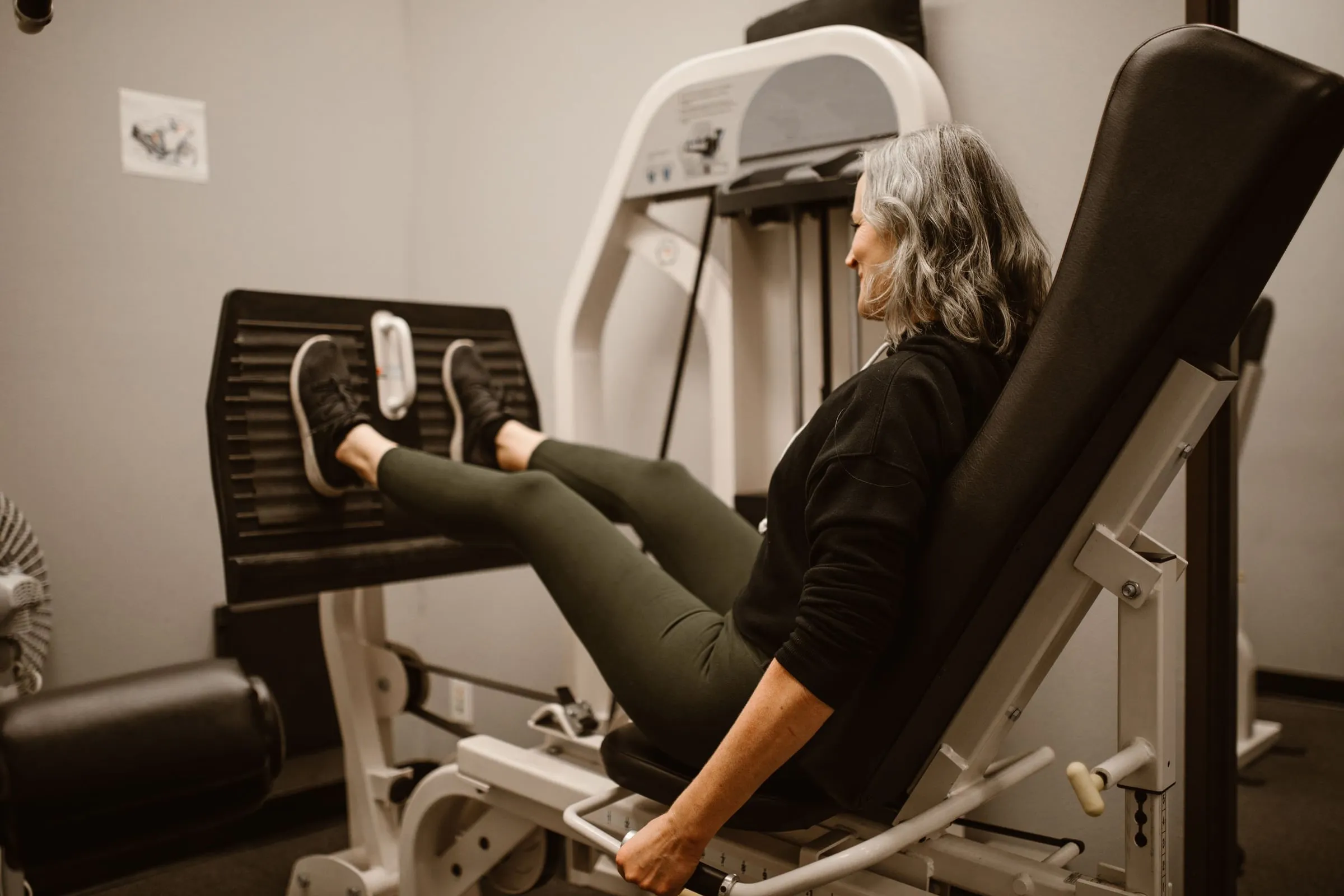
Protein works with training, not instead of it. Across 28 trials in older adults, extra protein increased appendicular lean mass by 0.54 kg and grip strength by 1.71 kg when combined with resistance exercise, and did nothing measurable without it21. A year-long Danish trial in 208 healthy adults over 65 found the same: whey or collagen supplements alone did not change muscle size or strength, while heavy resistance training plus whey increased both22. Our guide to strength training after 60 covers how to start safely.
How much protein do you need when you are losing weight?
More than when you are not: during a calorie deficit, about 1.6 to 2.4 g/kg a day helps keep muscle while fat comes off, especially if you keep lifting.
The direction is clear; the exact dose less so. A meta-analysis of 24 trials with 1,063 dieters over about 12 weeks found that higher-protein diets cut the loss of fat-free mass by 0.43 kg and added 0.87 kg of fat loss23, and the 2020 meta-analysis above found a 0.36 kg lean-mass advantage9. In 39 adults on a 40% calorie deficit for 21 days, both 1.6 and 2.4 g/kg protected fat-free mass better than 0.8 g/kg24. In 40 young men on a similar deficit for 4 weeks, lifting and doing interval training 6 days a week, 2.4 g/kg produced a 1.2 kg gain in lean mass against 0.1 kg on 1.2 g/kg25. For lean, experienced lifters in a hard diet, a systematic review suggests 2.3 to 3.1 g per kilogram of fat-free mass, higher the leaner you are and the bigger the deficit16.
Does the same apply on weight-loss medications?
Probably, though the evidence is early. Across 35 trials of GLP-1-based drugs such as semaglutide and tirzepatide, a median of 28% of the weight lost came from muscle-related tissue, and no trial reported physical function outcomes26. A joint advisory from 4 US obesity and nutrition societies recommends resistance training and an adequate diet to protect muscle, and notes that 1.2 to 1.6 g/kg a day has been proposed during active weight loss13. More on food and muscle is in our nutrition section.
Can you build as much muscle on plant protein?
Yes, if you eat enough: when vegans and omnivores ate the same, fairly high amount of protein, they built similar muscle.
Over 12 weeks of twice-weekly training, 19 habitually vegan and 19 omnivorous young men, with protein topped up to 1.6 g/kg using soy or whey, each gained 1.2 kg of leg lean mass, with no differences in size or strength27. The groups were not randomized, and the men were new to training. In a 10-week randomized trial of 22 young adults, half of them women, training 5 days a week at about 2 g/kg, lean mass rose 3.1 kg on a mycoprotein-rich vegan diet and 2.6 kg on an omnivorous one, and thigh muscle volume rose 8.3% in both28.
Source still matters at the margins. A 2025 meta-analysis of 30 randomized trials found slightly less muscle with plant than with animal protein overall29. Soy matched milk across 17 trials; the gap was larger for non-soy plant proteins such as rice, oat and potato (5 trials) and for switching to a plant-based diet (7 trials). Strength did not differ.
Two features probably explain most of the gap. Oat, lupin and wheat protein isolates contain about 21 to 22% essential amino acids, against 43% for whey and 32% for egg30. Leucine, which matters for stimulating muscle protein synthesis4, ranges from 5.1% of the protein in hemp to 13.5% in corn, against 9.0% in milk30. Plant proteins also tend to be less digestible, and more of their amino acids may be used up by the gut and liver before reaching muscle31. The fixes: eat toward the upper half of the range, about 1.6 to 2.0 g/kg as in the successful vegan trials27,28, use soy foods, and combine legumes with grains for a more complete amino acid profile30,31.
Does training experience or sex change the number?
Not much: about 1.6 g/kg works for beginners and experienced lifters, men and women, though experienced lifters seem to gain a little more from extra protein.
In the main meta-analysis, the extra muscle from protein was about 0.75 kg larger in people with training experience than in novices1. If you are new, a sound program matters far more than fine-tuning grams; start with how to start strength training.
Women are under-studied: athletes’ protein recommendations rest almost entirely on research in men32. What exists points to a similar range. A tracer study estimated that 8 resistance-trained women needed about 1.5 g/kg a day after exercise, with an upper confidence limit near 1.9 g/kg32. Over 8 weeks, 17 young women training for physique competitions gained 2.1 kg of fat-free mass on 2.5 g/kg a day against 0.6 kg on 0.9 g/kg, with similar strength gains33. After menopause, the older-adult guidance above is the best available guide.
How much protein can your body use in one meal?
More than the 20 to 30 g that gym lore claims: larger servings are absorbed and used, though the best-supported pattern for muscle is 3 or 4 meals of about 0.4 g/kg.
The “20 to 30 g limit” came from laboratory studies in which muscle protein synthesis in young adults peaked after about 20 to 25 g of high-quality protein, with the excess thought to be burned for energy34. Those studies mostly used fast-digesting protein on its own; mixed meals digest more slowly, which may let the body use more34.
Spreading protein out still has some support. When trained young men had 80 g of whey over 12 hours after a workout, 20 g every 3 hours stimulated 31 to 48% more muscle protein synthesis than 10 g every 90 minutes or 40 g every 6 hours35. Intake is typically lowest at breakfast; in 26 young men eating 1.3 g/kg a day for 12 weeks, shifting more of it to breakfast tended to add more lean mass (2.5 against 1.8 kg), just short of statistical significance36. A review concluded that long-term evidence on distribution is limited, inconsistent and hard to separate from total intake37.
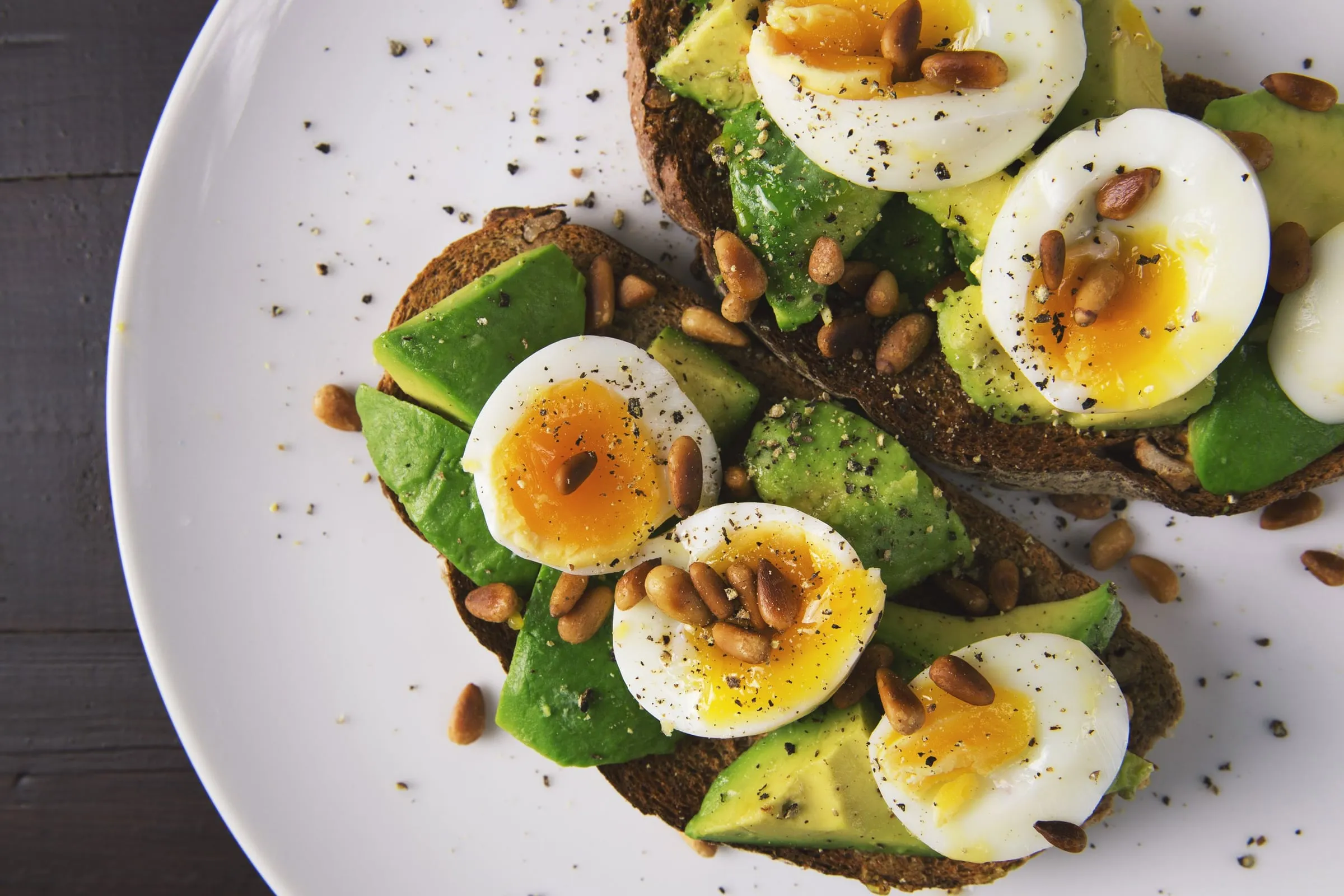
The practical rule: about 0.4 g/kg at each of at least 4 meals to reach 1.6 g/kg, or up to 0.55 g/kg per meal for 2.2 g/kg34. That is 20 to 40 g per meal for most adults, in line with the ISSN’s 0.25 g/kg or 20 to 40 g every 3 to 4 hours4. If you can only manage 2 or 3 big meals, get the total right and stop worrying.
Does protein timing matter?
Much less than the total: once daily protein is matched, eating it in a narrow window around your workout makes little measurable difference.
A 2013 meta-analysis of 23 trials and 525 participants found a small benefit for protein timing in a simple analysis, which disappeared once the analysis controlled for other factors; total protein intake was the strongest predictor of muscle gain38. A 2020 meta-analysis of 65 trials and 2,907 participants found that protein supplements increased lean mass whatever the timing39. The ISSN notes that a workout’s muscle-building effect lasts at least 24 hours, and that protein before or after training both work4.
Is protein before bed worth it?
Possibly, but the evidence is emerging. In 44 young men training for 12 weeks, a nightly 27.5 g protein drink led to greater gains in strength and quadriceps size (cross-sectional area up 8.4 against 4.8 cm²) than a calorie-free placebo, but the protein group also ate more protein in total, so timing and amount cannot be separated40. A systematic review of 9 studies found that 20 to 40 g of casein before sleep raises overnight protein synthesis, with possible long-term gains in young men but none shown in older men, and warned that the groups compared often ate different amounts41. Have an evening snack if it helps you reach your total.
How do you hit your protein target with real food?
Put a protein-rich food at the center of each meal: the sample days below reach about 1.6 g/kg for a 70 kg (154 lb) person.
| Food | Serving | Protein, approximate |
|---|---|---|
| Chicken breast, cooked | 100 g (3.5 oz) | 31 g |
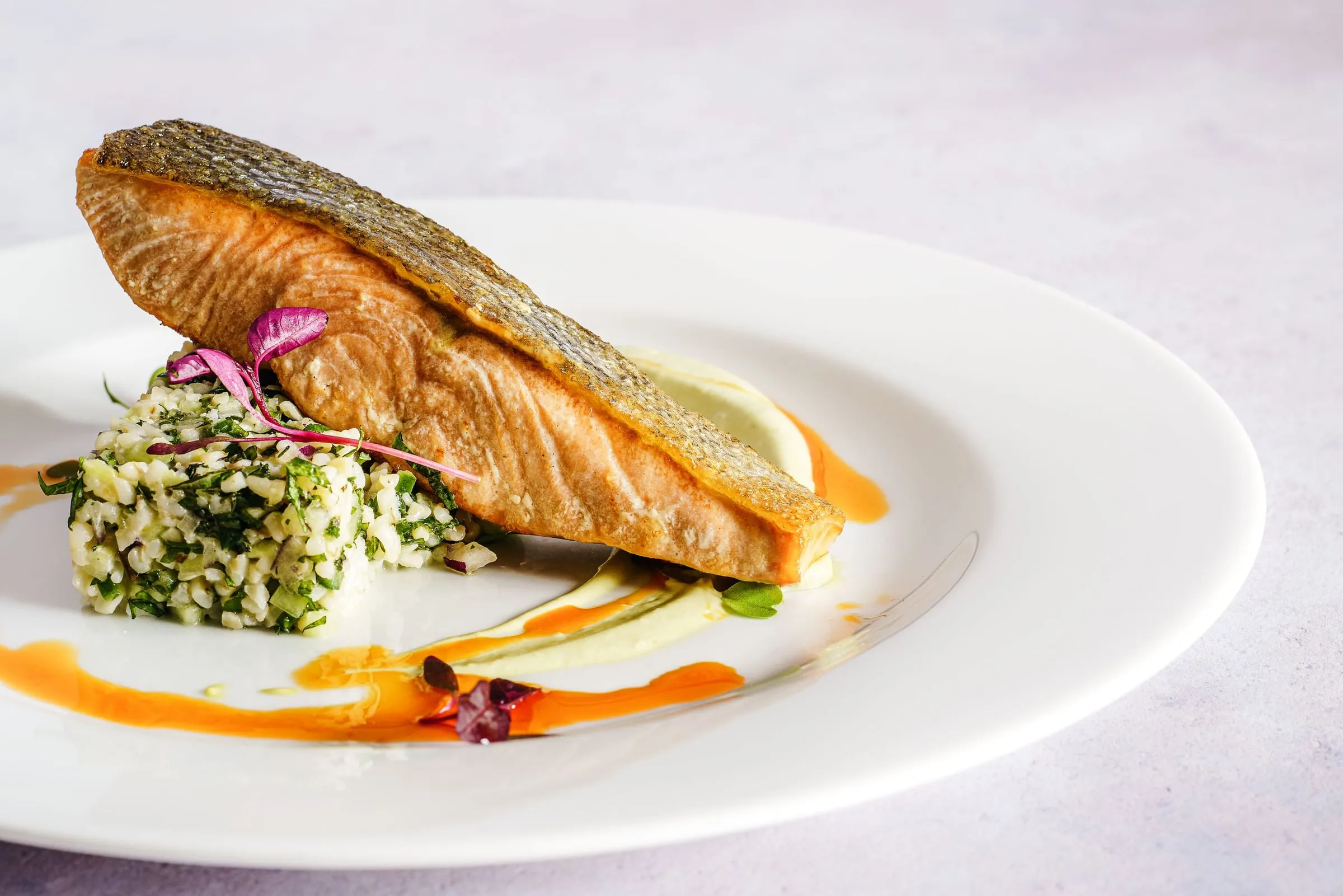
| Salmon, cooked | 100 g (3.5 oz) | 22 to 25 g |
| Tuna, canned in water, drained | 100 g (3.5 oz) | 25 g |
| Egg | 1 large | 6 g |
| Greek yogurt, plain, nonfat | 170 g (6 oz) | 17 g |
| Cottage cheese, low fat | 115 g (½ cup) | 13 g |
| Milk | 250 mL (1 cup) | 8 g |
| Tofu, firm | 100 g (3.5 oz) | 10 to 17 g, by firmness |
| Tempeh | 100 g (3.5 oz) | 20 g |
| Lentils, cooked | 200 g (1 cup) | 18 g |
| Edamame, shelled, cooked | 155 g (1 cup) | 18 g |
| Soy milk | 250 mL (1 cup) | 6 to 8 g |
| Peanut butter | 32 g (2 tbsp) | 7 g |
| Almonds | 30 g (1 oz) | 6 g |
| Whole-grain bread | 2 slices | 7 to 8 g |
| Oats, dry | 40 g (½ cup) | 5 g |
| Quinoa, cooked | 185 g (1 cup) | 8 g |
These values are approximate and rounded; brand, cut and cooking change them. Check labels, or look foods up in USDA FoodData Central.
| Meal | Omnivore day | Protein | Plant-based day | Protein |
|---|---|---|---|---|
| Breakfast | 2 eggs, 2 slices whole-grain toast, 250 mL (1 cup) milk | 27 g | 40 g (½ cup) oats in 250 mL (1 cup) soy milk, 1 scoop soy or pea protein, 2 tbsp peanut butter | 40 g |
| Lunch | 100 g (3.5 oz) chicken, 185 g (1 cup) quinoa | 39 g | 200 g (1 cup) lentils, 185 g (1 cup) quinoa | 26 g |
| Dinner | 125 g (4.4 oz) salmon, vegetables | 29 g | 100 g (3.5 oz) tempeh, 155 g (1 cup) edamame | 38 g |
| Snack | 170 g (6 oz) Greek yogurt | 17 g | 30 g (1 oz) almonds | 6 g |
| Total | 112 g | 110 g |
Scale the portions with the body-weight table. The plant-based breakfast uses one scoop of protein powder (check the label; amounts vary), the simplest way to raise it.
Do you need protein powder?
No. Powder is a convenient source of protein, not a special ingredient. In the supplement trials, the benefit tracked total daily protein and stopped growing above about 1.6 g/kg1. The ISSN notes that whole foods can meet active people’s needs, and that supplements are a practical way to get enough while keeping calories down4. Whey had the highest essential amino acid content of the proteins tested in one analysis30, and soy is the best-studied plant option29. In older adults, supplements without training did not build muscle22.
Is a high-protein diet safe?
For healthy adults, higher-protein diets have not been shown to harm the kidneys or bones in trials lasting weeks to months, but people with kidney disease are an important exception.
A meta-analysis of 28 trials with 1,358 adults without kidney disease found that diets of at least 1.5 g/kg a day (or 20% of energy, or 100 g a day) changed kidney filtration no differently from normal- or lower-protein diets42. A systematic review of 26 studies agreed: higher protein often raised filtration, but within the normal range; most studies lasted under 6 months, and many had a moderate to high risk of bias43. For bone, 16 trials and 20 cohort studies showed no harm and a small benefit to spine density44.
Two cautions apply. Long-term data at very high intakes are thin, and kidney specialists note that high protein raises the pressure inside the kidney’s filters, which may speed decline in damaged kidneys and possibly in some people without known disease45. And the 2025 joint advisory on weight-loss drugs advised against prolonged intakes of 2 g/kg a day or more, citing potential adverse effects13. It rests on a review rather than new trials, but it is another reason not to chase very high numbers.
What should you do?
Set a daily target, spread it across your meals and keep training; the finer points matter far less.
Questions people ask
- Is 1 gram of protein per pound of body weight necessary?
- No. One gram per pound is 2.2 g/kg, the upper end of the uncertainty around where extra protein stops adding muscle in the largest meta-analysis. Most people who lift get nearly all the benefit at about 1.6 g/kg, or 0.7 g per pound. Going up to 1 g per pound is reasonable if you are lean and dieting or simply want a margin, but it is a ceiling, not a requirement.
- Is the RDA of 0.8 g/kg enough to build muscle?
- It is enough to prevent deficiency, not to maximize muscle. The RDA was set as the intake that keeps nearly all healthy adults from losing body protein. In trials, intakes above the RDA added lean mass when people lifted weights or dieted, but not when they did neither. If you train, aim for about 1.6 g/kg; if you are over 65, at least 1.0 to 1.2 g/kg.
- How much protein can your body absorb in one meal?
- Far more than the 20 to 30 g often quoted. That limit came from short studies of protein drinks. In a 2023 study, young men who had 100 g of milk protein after a workout made more muscle protein over 12 hours than men who had 25 g. For most people, 3 or 4 meals of about 0.4 g/kg each is a sensible pattern, but a large meal is not wasted.
- Do you need to eat protein right after a workout?
- No. Once total daily protein was accounted for, a meta-analysis found no clear benefit from eating protein around training, and a later meta-analysis of 65 trials found no timing effect on lean mass. The muscle-building effect of a workout lasts at least a day. Eat a protein-rich meal within a few hours before or after training because it is convenient, not because a window is closing.
- How much protein do you need after 60?
- More than the RDA. Expert groups recommend 1.0 to 1.2 g/kg a day for healthy adults over 65, at least 1.2 g/kg if you are active, and 1.2 to 1.5 g/kg with illness. Older muscle also responds better to bigger servings, about 0.4 g/kg per meal, or roughly 25 to 40 g. Protein helps most when combined with resistance training; on its own it adds little.
- Can you build muscle on a vegan diet?
- Yes. In two trials of young adults eating 1.6 to about 2 g/kg a day, vegans and omnivores gained similar muscle from resistance training. Soy protein performs about as well as milk protein. Some other plant proteins, such as rice or oat, have done less well, so it makes sense to aim for the upper half of the range, combine legumes with grains, and use soy foods.
- Is a high-protein diet bad for your kidneys?
- Not in healthy people, as far as trials can tell. A meta-analysis of 28 trials found that kidney function changed no differently on higher-protein diets than on normal-protein diets, though most trials lasted months, not years. People with chronic kidney disease are different: higher intakes can add strain to damaged kidneys, so they should follow their doctor's or renal dietitian's advice.
- Do you need protein powder to build muscle?
- No. Protein powder is a convenient way to add protein, not a special ingredient. In supplement trials, the benefit tracked total daily protein, which food can supply just as well. Powder is useful if you have a small appetite, eat plant-based or find your target hard to reach. In older adults, protein supplements without resistance training did not build muscle.
References
- 1Meta-analysisMorton RW, Murphy KT, McKellar SR, Schoenfeld BJ, Henselmans M, Helms E, Aragon AA, Devries MC, Banfield L, Krieger JW, Phillips SM (2018). A systematic review, meta-analysis and meta-regression of the effect of protein supplementation on resistance training-induced gains in muscle mass and strength in healthy adults. British Journal of Sports Medicine, 52(6), 376-384DOIPubMedMorton RW, Murphy KT, McKellar SR, Schoenfeld BJ, Henselmans M, Helms E, Aragon AA, Devries MC, Banfield L, Krieger JW, Phillips SM. A systematic review, meta-analysis and meta-regression of the effect of protein supplementation on resistance training-induced gains in muscle mass and strength in healthy adults. British Journal of Sports Medicine. 2018;52(6):376-384. doi:10.1136/bjsports-2017-097608 PMID: 28698222
- 2Meta-analysisTagawa R, Watanabe D, Ito K, Ueda K, Nakayama K, Sanbongi C, Miyachi M (2021). Dose-response relationship between protein intake and muscle mass increase: a systematic review and meta-analysis of randomized controlled trials. Nutrition Reviews, 79(1), 66-75DOIPubMedTagawa R, Watanabe D, Ito K, Ueda K, Nakayama K, Sanbongi C, Miyachi M. Dose-response relationship between protein intake and muscle mass increase: a systematic review and meta-analysis of randomized controlled trials. Nutrition Reviews. 2021;79(1):66-75. doi:10.1093/nutrit/nuaa104 PMID: 33300582
- 3Meta-analysisNunes EA, Colenso-Semple L, McKellar SR, Yau T, Ali MU, Fitzpatrick-Lewis D, et al. (2022). Systematic review and meta-analysis of protein intake to support muscle mass and function in healthy adults. Journal of Cachexia, Sarcopenia and Muscle, 13(2), 795-810DOIPubMedNunes EA, Colenso-Semple L, McKellar SR, Yau T, Ali MU, Fitzpatrick-Lewis D, et al.. Systematic review and meta-analysis of protein intake to support muscle mass and function in healthy adults. Journal of Cachexia, Sarcopenia and Muscle. 2022;13(2):795-810. doi:10.1002/jcsm.12922 PMID: 35187864
- 4Position standJäger R, Kerksick CM, Campbell BI, Cribb PJ, Wells SD, Skwiat TM, et al. (2017). International Society of Sports Nutrition Position Stand: protein and exercise. Journal of the International Society of Sports Nutrition, 14, 20DOIPubMedJäger R, Kerksick CM, Campbell BI, Cribb PJ, Wells SD, Skwiat TM, et al.. International Society of Sports Nutrition Position Stand: protein and exercise. Journal of the International Society of Sports Nutrition. 2017;14:20. doi:10.1186/s12970-017-0177-8 PMID: 28642676
- 5Position standCurrier BS, D'Souza AC, Singh MAF, Lowisz CV, Rawson ES, Schoenfeld BJ, et al. (2026). American College of Sports Medicine Position Stand. Resistance Training Prescription for Muscle Function, Hypertrophy, and Physical Performance in Healthy Adults: An Overview of Reviews. Medicine & Science in Sports & Exercise, 58(4), 851-872DOIPubMedCurrier BS, D'Souza AC, Singh MAF, Lowisz CV, Rawson ES, Schoenfeld BJ, et al.. American College of Sports Medicine Position Stand. Resistance Training Prescription for Muscle Function, Hypertrophy, and Physical Performance in Healthy Adults: An Overview of Reviews. Medicine & Science in Sports & Exercise. 2026;58(4):851-872. doi:10.1249/MSS.0000000000003897 PMID: 41843416
- 6Mechanistic studyTrommelen J, van Lieshout GAA, Nyakayiru J, Holwerda AM, Smeets JSJ, Hendriks FK, van Kranenburg JMX, Zorenc AH, Senden JM, Goessens JPB, Gijsen AP, van Loon LJC (2023). The anabolic response to protein ingestion during recovery from exercise has no upper limit in magnitude and duration in vivo in humans. Cell Reports Medicine, 4(12), 101324DOIPubMedTrommelen J, van Lieshout GAA, Nyakayiru J, Holwerda AM, Smeets JSJ, Hendriks FK, van Kranenburg JMX, Zorenc AH, Senden JM, Goessens JPB, Gijsen AP, van Loon LJC. The anabolic response to protein ingestion during recovery from exercise has no upper limit in magnitude and duration in vivo in humans. Cell Reports Medicine. 2023;4(12):101324. doi:10.1016/j.xcrm.2023.101324 PMID: 38118410
- 7Meta-analysisRand WM, Pellett PL, Young VR (2003). Meta-analysis of nitrogen balance studies for estimating protein requirements in healthy adults. The American Journal of Clinical Nutrition, 77(1), 109-127DOIPubMedRand WM, Pellett PL, Young VR. Meta-analysis of nitrogen balance studies for estimating protein requirements in healthy adults. The American Journal of Clinical Nutrition. 2003;77(1):109-127. doi:10.1093/ajcn/77.1.109 PMID: 12499330
- 8Narrative reviewWolfe RR, Cifelli AM, Kostas G, Kim IY (2017). Optimizing Protein Intake in Adults: Interpretation and Application of the Recommended Dietary Allowance Compared with the Acceptable Macronutrient Distribution Range. Advances in Nutrition, 8(2), 266-275DOIPubMedWolfe RR, Cifelli AM, Kostas G, Kim IY. Optimizing Protein Intake in Adults: Interpretation and Application of the Recommended Dietary Allowance Compared with the Acceptable Macronutrient Distribution Range. Advances in Nutrition. 2017;8(2):266-275. doi:10.3945/an.116.013821 PMID: 28298271
- 9Meta-analysisHudson JL, Wang Y, Bergia RE 3rd, Campbell WW (2020). Protein Intake Greater than the RDA Differentially Influences Whole-Body Lean Mass Responses to Purposeful Catabolic and Anabolic Stressors: A Systematic Review and Meta-analysis. Advances in Nutrition, 11(3), 548-558DOIPubMedHudson JL, Wang Y, Bergia RE 3rd, Campbell WW. Protein Intake Greater than the RDA Differentially Influences Whole-Body Lean Mass Responses to Purposeful Catabolic and Anabolic Stressors: A Systematic Review and Meta-analysis. Advances in Nutrition. 2020;11(3):548-558. doi:10.1093/advances/nmz106 PMID: 31794597
- 10Cross-sectional studyBerryman CE, Lieberman HR, Fulgoni VL 3rd, Pasiakos SM (2018). Protein intake trends and conformity with the Dietary Reference Intakes in the United States: analysis of the National Health and Nutrition Examination Survey, 2001-2014. The American Journal of Clinical Nutrition, 108(2), 405-413DOIPubMedBerryman CE, Lieberman HR, Fulgoni VL 3rd, Pasiakos SM. Protein intake trends and conformity with the Dietary Reference Intakes in the United States: analysis of the National Health and Nutrition Examination Survey, 2001-2014. The American Journal of Clinical Nutrition. 2018;108(2):405-413. doi:10.1093/ajcn/nqy088 PMID: 29931213
- 11Narrative reviewPasiakos SM, Davis TA, Klurfeld DM, Neuhouser ML, Rodriguez NR, Tomé D (2026). Perspectives on the Protein Recommendations in the 2025-2030 Dietary Guidelines for Americans. The Journal of Nutrition, 156(11), 101754DOIPubMedPasiakos SM, Davis TA, Klurfeld DM, Neuhouser ML, Rodriguez NR, Tomé D. Perspectives on the Protein Recommendations in the 2025-2030 Dietary Guidelines for Americans. The Journal of Nutrition. 2026;156(11):101754. doi:10.1016/j.tjnut.2026.101754 PMID: 42498030
- 12Narrative reviewAvesani CM, Cuppari L (2026). Nutritional paradoxes of the new Dietary Guidelines for Americans (2025-2030): a critical analysis. Brazilian Journal of Nephrology, 48(2), 2026PO01DOIPubMedAvesani CM, Cuppari L. Nutritional paradoxes of the new Dietary Guidelines for Americans (2025-2030): a critical analysis. Brazilian Journal of Nephrology. 2026;48(2):2026PO01. doi:10.1590/2175-8239-JBN-2026-PO01en PMID: 41871332
- 13Consensus statementMozaffarian D, Agarwal M, Aggarwal M, Alexander L, Apovian CM, Bindlish S, et al. (2025). Nutritional priorities to support GLP-1 therapy for obesity: a joint Advisory from the American College of Lifestyle Medicine, the American Society for Nutrition, the Obesity Medicine Association, and The Obesity Society. The American Journal of Clinical Nutrition, 122(1), 344-367DOIPubMedMozaffarian D, Agarwal M, Aggarwal M, Alexander L, Apovian CM, Bindlish S, et al.. Nutritional priorities to support GLP-1 therapy for obesity: a joint Advisory from the American College of Lifestyle Medicine, the American Society for Nutrition, the Obesity Medicine Association, and The Obesity Society. The American Journal of Clinical Nutrition. 2025;122(1):344-367. doi:10.1016/j.ajcnut.2025.04.023 PMID: 40450457
- 14Position standBauer J, Biolo G, Cederholm T, Cesari M, Cruz-Jentoft AJ, Morley JE, et al. (2013). Evidence-based recommendations for optimal dietary protein intake in older people: a position paper from the PROT-AGE Study Group. Journal of the American Medical Directors Association, 14(8), 542-559DOIPubMedBauer J, Biolo G, Cederholm T, Cesari M, Cruz-Jentoft AJ, Morley JE, et al.. Evidence-based recommendations for optimal dietary protein intake in older people: a position paper from the PROT-AGE Study Group. Journal of the American Medical Directors Association. 2013;14(8):542-559. doi:10.1016/j.jamda.2013.05.021 PMID: 23867520
- 15Consensus statementDeutz NE, Bauer JM, Barazzoni R, Biolo G, Boirie Y, Bosy-Westphal A, et al. (2014). Protein intake and exercise for optimal muscle function with aging: recommendations from the ESPEN Expert Group. Clinical Nutrition, 33(6), 929-936DOIPubMedDeutz NE, Bauer JM, Barazzoni R, Biolo G, Boirie Y, Bosy-Westphal A, et al.. Protein intake and exercise for optimal muscle function with aging: recommendations from the ESPEN Expert Group. Clinical Nutrition. 2014;33(6):929-936. doi:10.1016/j.clnu.2014.04.007 PMID: 24814383
- 16Systematic reviewHelms ER, Zinn C, Rowlands DS, Brown SR (2014). A systematic review of dietary protein during caloric restriction in resistance trained lean athletes: a case for higher intakes. International Journal of Sport Nutrition and Exercise Metabolism, 24(2), 127-138DOIPubMedHelms ER, Zinn C, Rowlands DS, Brown SR. A systematic review of dietary protein during caloric restriction in resistance trained lean athletes: a case for higher intakes. International Journal of Sport Nutrition and Exercise Metabolism. 2014;24(2):127-138. doi:10.1123/ijsnem.2013-0054 PMID: 24092765
- 17Mechanistic studyBandegan A, Courtney-Martin G, Rafii M, Pencharz PB, Lemon PW (2017). Indicator Amino Acid-Derived Estimate of Dietary Protein Requirement for Male Bodybuilders on a Nontraining Day Is Several-Fold Greater than the Current Recommended Dietary Allowance. The Journal of Nutrition, 147(5), 850-857DOIPubMedBandegan A, Courtney-Martin G, Rafii M, Pencharz PB, Lemon PW. Indicator Amino Acid-Derived Estimate of Dietary Protein Requirement for Male Bodybuilders on a Nontraining Day Is Several-Fold Greater than the Current Recommended Dietary Allowance. The Journal of Nutrition. 2017;147(5):850-857. doi:10.3945/jn.116.236331 PMID: 28179492
- 18Cross-sectional studyDekker IM, van Rijssen NM, Verreijen A, Weijs PJ, de Boer WBE, Terpstra D, Kruizenga HM (2022). Calculation of protein requirements; a comparison of calculations based on bodyweight and fat free mass. Clinical Nutrition ESPEN, 48, 378-385DOIPubMedDekker IM, van Rijssen NM, Verreijen A, Weijs PJ, de Boer WBE, Terpstra D, Kruizenga HM. Calculation of protein requirements; a comparison of calculations based on bodyweight and fat free mass. Clinical Nutrition ESPEN. 2022;48:378-385. doi:10.1016/j.clnesp.2022.01.014 PMID: 35331517
- 19Mechanistic studyMoore DR, Churchward-Venne TA, Witard O, Breen L, Burd NA, Tipton KD, Phillips SM (2015). Protein ingestion to stimulate myofibrillar protein synthesis requires greater relative protein intakes in healthy older versus younger men. The Journals of Gerontology: Series A, 70(1), 57-62DOIPubMedMoore DR, Churchward-Venne TA, Witard O, Breen L, Burd NA, Tipton KD, Phillips SM. Protein ingestion to stimulate myofibrillar protein synthesis requires greater relative protein intakes in healthy older versus younger men. The Journals of Gerontology: Series A. 2015;70(1):57-62. doi:10.1093/gerona/glu103 PMID: 25056502
- 20Mechanistic studyYang Y, Breen L, Burd NA, Hector AJ, Churchward-Venne TA, Josse AR, Tarnopolsky MA, Phillips SM (2012). Resistance exercise enhances myofibrillar protein synthesis with graded intakes of whey protein in older men. British Journal of Nutrition, 108(10), 1780-1788DOIPubMedYang Y, Breen L, Burd NA, Hector AJ, Churchward-Venne TA, Josse AR, Tarnopolsky MA, Phillips SM. Resistance exercise enhances myofibrillar protein synthesis with graded intakes of whey protein in older men. British Journal of Nutrition. 2012;108(10):1780-1788. doi:10.1017/S0007114511007422 PMID: 22313809
- 21Meta-analysisKirwan RP, Mazidi M, Rodríguez García C, Lane KE, Jafari A, Butler T, Perez de Heredia F, Davies IG (2022). Protein interventions augment the effect of resistance exercise on appendicular lean mass and handgrip strength in older adults: a systematic review and meta-analysis of randomized controlled trials. The American Journal of Clinical Nutrition, 115(3), 897-913DOIPubMedKirwan RP, Mazidi M, Rodríguez García C, Lane KE, Jafari A, Butler T, Perez de Heredia F, Davies IG. Protein interventions augment the effect of resistance exercise on appendicular lean mass and handgrip strength in older adults: a systematic review and meta-analysis of randomized controlled trials. The American Journal of Clinical Nutrition. 2022;115(3):897-913. doi:10.1093/ajcn/nqab355 PMID: 34673936
- 22Randomized trialMertz KH, Reitelseder S, Bechshoeft R, Bulow J, Højfeldt G, Jensen M, et al. (2021). The effect of daily protein supplementation, with or without resistance training for 1 year, on muscle size, strength, and function in healthy older adults: A randomized controlled trial. The American Journal of Clinical Nutrition, 113(4), 790-800DOIPubMedMertz KH, Reitelseder S, Bechshoeft R, Bulow J, Højfeldt G, Jensen M, et al.. The effect of daily protein supplementation, with or without resistance training for 1 year, on muscle size, strength, and function in healthy older adults: A randomized controlled trial. The American Journal of Clinical Nutrition. 2021;113(4):790-800. doi:10.1093/ajcn/nqaa372 PMID: 33564844
- 23Meta-analysisWycherley TP, Moran LJ, Clifton PM, Noakes M, Brinkworth GD (2012). Effects of energy-restricted high-protein, low-fat compared with standard-protein, low-fat diets: a meta-analysis of randomized controlled trials. The American Journal of Clinical Nutrition, 96(6), 1281-1298DOIPubMedWycherley TP, Moran LJ, Clifton PM, Noakes M, Brinkworth GD. Effects of energy-restricted high-protein, low-fat compared with standard-protein, low-fat diets: a meta-analysis of randomized controlled trials. The American Journal of Clinical Nutrition. 2012;96(6):1281-1298. doi:10.3945/ajcn.112.044321 PMID: 23097268
- 24Randomized trialPasiakos SM, Cao JJ, Margolis LM, Sauter ER, Whigham LD, McClung JP, Rood JC, Carbone JW, Combs GF Jr, Young AJ (2013). Effects of high-protein diets on fat-free mass and muscle protein synthesis following weight loss: a randomized controlled trial. The FASEB Journal, 27(9), 3837-3847DOIPubMedPasiakos SM, Cao JJ, Margolis LM, Sauter ER, Whigham LD, McClung JP, Rood JC, Carbone JW, Combs GF Jr, Young AJ. Effects of high-protein diets on fat-free mass and muscle protein synthesis following weight loss: a randomized controlled trial. The FASEB Journal. 2013;27(9):3837-3847. doi:10.1096/fj.13-230227 PMID: 23739654
- 25Randomized trialLongland TM, Oikawa SY, Mitchell CJ, Devries MC, Phillips SM (2016). Higher compared with lower dietary protein during an energy deficit combined with intense exercise promotes greater lean mass gain and fat mass loss: a randomized trial. The American Journal of Clinical Nutrition, 103(3), 738-746DOIPubMedLongland TM, Oikawa SY, Mitchell CJ, Devries MC, Phillips SM. Higher compared with lower dietary protein during an energy deficit combined with intense exercise promotes greater lean mass gain and fat mass loss: a randomized trial. The American Journal of Clinical Nutrition. 2016;103(3):738-746. doi:10.3945/ajcn.115.119339 PMID: 26817506
- 26Systematic reviewBatsis JA, Gavras A, Gross DC, Cheever CR, Da Silva BR, Meira Filho LF, et al. (2026). Effect of Incretin-Based and Nonpharmacologic Weight Loss on Body Composition: A Systematic Review. Annals of Internal Medicine, 179(7), 996-1013DOIPubMedBatsis JA, Gavras A, Gross DC, Cheever CR, Da Silva BR, Meira Filho LF, et al.. Effect of Incretin-Based and Nonpharmacologic Weight Loss on Body Composition: A Systematic Review. Annals of Internal Medicine. 2026;179(7):996-1013. doi:10.7326/ANNALS-25-00478 PMID: 41996180
- 27Controlled trialHevia-Larraín V, Gualano B, Longobardi I, Gil S, Fernandes AL, Costa LAR, Pereira RMR, Artioli GG, Phillips SM, Roschel H (2021). High-Protein Plant-Based Diet Versus a Protein-Matched Omnivorous Diet to Support Resistance Training Adaptations: A Comparison Between Habitual Vegans and Omnivores. Sports Medicine, 51(6), 1317-1330DOIPubMedHevia-Larraín V, Gualano B, Longobardi I, Gil S, Fernandes AL, Costa LAR, Pereira RMR, Artioli GG, Phillips SM, Roschel H. High-Protein Plant-Based Diet Versus a Protein-Matched Omnivorous Diet to Support Resistance Training Adaptations: A Comparison Between Habitual Vegans and Omnivores. Sports Medicine. 2021;51(6):1317-1330. doi:10.1007/s40279-021-01434-9 PMID: 33599941
- 28Randomized trialMonteyne AJ, Coelho MOC, Murton AJ, Abdelrahman DR, Blackwell JR, Koscien CP, Knapp KM, Fulford J, Finnigan TJA, Dirks ML, Stephens FB, Wall BT (2023). Vegan and Omnivorous High Protein Diets Support Comparable Daily Myofibrillar Protein Synthesis Rates and Skeletal Muscle Hypertrophy in Young Adults. The Journal of Nutrition, 153(6), 1680-1695DOIPubMedMonteyne AJ, Coelho MOC, Murton AJ, Abdelrahman DR, Blackwell JR, Koscien CP, Knapp KM, Fulford J, Finnigan TJA, Dirks ML, Stephens FB, Wall BT. Vegan and Omnivorous High Protein Diets Support Comparable Daily Myofibrillar Protein Synthesis Rates and Skeletal Muscle Hypertrophy in Young Adults. The Journal of Nutrition. 2023;153(6):1680-1695. doi:10.1016/j.tjnut.2023.02.023 PMID: 36822394
- 29Meta-analysisReid-McCann RJ, Brennan SF, Ward NA, Logan D, McKinley MC, McEvoy CT (2025). Effect of Plant Versus Animal Protein on Muscle Mass, Strength, Physical Performance, and Sarcopenia: A Systematic Review and Meta-analysis of Randomized Controlled Trials. Nutrition Reviews, 83(7), e1581-e1603DOIPubMedReid-McCann RJ, Brennan SF, Ward NA, Logan D, McKinley MC, McEvoy CT. Effect of Plant Versus Animal Protein on Muscle Mass, Strength, Physical Performance, and Sarcopenia: A Systematic Review and Meta-analysis of Randomized Controlled Trials. Nutrition Reviews. 2025;83(7):e1581-e1603. doi:10.1093/nutrit/nuae200 PMID: 39813010
- 30SourceGorissen SHM, Crombag JJR, Senden JMG, Waterval WAH, Bierau J, Verdijk LB, van Loon LJC (2018). Protein content and amino acid composition of commercially available plant-based protein isolates. Amino Acids, 50(12), 1685-1695DOIPubMedGorissen SHM, Crombag JJR, Senden JMG, Waterval WAH, Bierau J, Verdijk LB, van Loon LJC. Protein content and amino acid composition of commercially available plant-based protein isolates. Amino Acids. 2018;50(12):1685-1695. doi:10.1007/s00726-018-2640-5 PMID: 30167963
- 31Narrative reviewvan Vliet S, Burd NA, van Loon LJ (2015). The Skeletal Muscle Anabolic Response to Plant- versus Animal-Based Protein Consumption. The Journal of Nutrition, 145(9), 1981-1991DOIPubMedvan Vliet S, Burd NA, van Loon LJ. The Skeletal Muscle Anabolic Response to Plant- versus Animal-Based Protein Consumption. The Journal of Nutrition. 2015;145(9):1981-1991. doi:10.3945/jn.114.204305 PMID: 26224750
- 32Mechanistic studyMalowany JM, West DWD, Williamson E, Volterman KA, Abou Sawan S, Mazzulla M, Moore DR (2019). Protein to Maximize Whole-Body Anabolism in Resistance-trained Females after Exercise. Medicine & Science in Sports & Exercise, 51(4), 798-804DOIPubMedMalowany JM, West DWD, Williamson E, Volterman KA, Abou Sawan S, Mazzulla M, Moore DR. Protein to Maximize Whole-Body Anabolism in Resistance-trained Females after Exercise. Medicine & Science in Sports & Exercise. 2019;51(4):798-804. doi:10.1249/MSS.0000000000001832 PMID: 30395050
- 33Randomized trialCampbell BI, Aguilar D, Conlin L, Vargas A, Schoenfeld BJ, Corson A, Gai C, Best S, Galvan E, Couvillion K (2018). Effects of High Versus Low Protein Intake on Body Composition and Maximal Strength in Aspiring Female Physique Athletes Engaging in an 8-Week Resistance Training Program. International Journal of Sport Nutrition and Exercise Metabolism, 28(6), 580-585DOIPubMedCampbell BI, Aguilar D, Conlin L, Vargas A, Schoenfeld BJ, Corson A, Gai C, Best S, Galvan E, Couvillion K. Effects of High Versus Low Protein Intake on Body Composition and Maximal Strength in Aspiring Female Physique Athletes Engaging in an 8-Week Resistance Training Program. International Journal of Sport Nutrition and Exercise Metabolism. 2018;28(6):580-585. doi:10.1123/ijsnem.2017-0389 PMID: 29405780
- 34Narrative reviewSchoenfeld BJ, Aragon AA (2018). How much protein can the body use in a single meal for muscle-building? Implications for daily protein distribution. Journal of the International Society of Sports Nutrition, 15, 10DOIPubMedSchoenfeld BJ, Aragon AA. How much protein can the body use in a single meal for muscle-building? Implications for daily protein distribution. Journal of the International Society of Sports Nutrition. 2018;15:10. doi:10.1186/s12970-018-0215-1 PMID: 29497353
- 35Mechanistic studyAreta JL, Burke LM, Ross ML, Camera DM, West DW, Broad EM, Jeacocke NA, Moore DR, Stellingwerff T, Phillips SM, Hawley JA, Coffey VG (2013). Timing and distribution of protein ingestion during prolonged recovery from resistance exercise alters myofibrillar protein synthesis. The Journal of Physiology, 591(9), 2319-2331DOIPubMedAreta JL, Burke LM, Ross ML, Camera DM, West DW, Broad EM, Jeacocke NA, Moore DR, Stellingwerff T, Phillips SM, Hawley JA, Coffey VG. Timing and distribution of protein ingestion during prolonged recovery from resistance exercise alters myofibrillar protein synthesis. The Journal of Physiology. 2013;591(9):2319-2331. doi:10.1113/jphysiol.2012.244897 PMID: 23459753
- 36Randomized trialYasuda J, Tomita T, Arimitsu T, Fujita S (2020). Evenly Distributed Protein Intake over 3 Meals Augments Resistance Exercise-Induced Muscle Hypertrophy in Healthy Young Men. The Journal of Nutrition, 150(7), 1845-1851DOIPubMedYasuda J, Tomita T, Arimitsu T, Fujita S. Evenly Distributed Protein Intake over 3 Meals Augments Resistance Exercise-Induced Muscle Hypertrophy in Healthy Young Men. The Journal of Nutrition. 2020;150(7):1845-1851. doi:10.1093/jn/nxaa101 PMID: 32321161
- 37Narrative reviewHudson JL, Bergia RE 3rd, Campbell WW (2020). Protein Distribution and Muscle-Related Outcomes: Does the Evidence Support the Concept?. Nutrients, 12(5), 1441DOIPubMedHudson JL, Bergia RE 3rd, Campbell WW. Protein Distribution and Muscle-Related Outcomes: Does the Evidence Support the Concept?. Nutrients. 2020;12(5):1441. doi:10.3390/nu12051441 PMID: 32429355
- 38Meta-analysisSchoenfeld BJ, Aragon AA, Krieger JW (2013). The effect of protein timing on muscle strength and hypertrophy: a meta-analysis. Journal of the International Society of Sports Nutrition, 10(1), 53DOIPubMedSchoenfeld BJ, Aragon AA, Krieger JW. The effect of protein timing on muscle strength and hypertrophy: a meta-analysis. Journal of the International Society of Sports Nutrition. 2013;10(1):53. doi:10.1186/1550-2783-10-53 PMID: 24299050
- 39Meta-analysisWirth J, Hillesheim E, Brennan L (2020). The Role of Protein Intake and its Timing on Body Composition and Muscle Function in Healthy Adults: A Systematic Review and Meta-Analysis of Randomized Controlled Trials. The Journal of Nutrition, 150(6), 1443-1460DOIPubMedWirth J, Hillesheim E, Brennan L. The Role of Protein Intake and its Timing on Body Composition and Muscle Function in Healthy Adults: A Systematic Review and Meta-Analysis of Randomized Controlled Trials. The Journal of Nutrition. 2020;150(6):1443-1460. doi:10.1093/jn/nxaa049 PMID: 32232404
- 40Randomized trialSnijders T, Res PT, Smeets JS, van Vliet S, van Kranenburg J, Maase K, Kies AK, Verdijk LB, van Loon LJ (2015). Protein Ingestion before Sleep Increases Muscle Mass and Strength Gains during Prolonged Resistance-Type Exercise Training in Healthy Young Men. The Journal of Nutrition, 145(6), 1178-1184DOIPubMedSnijders T, Res PT, Smeets JS, van Vliet S, van Kranenburg J, Maase K, Kies AK, Verdijk LB, van Loon LJ. Protein Ingestion before Sleep Increases Muscle Mass and Strength Gains during Prolonged Resistance-Type Exercise Training in Healthy Young Men. The Journal of Nutrition. 2015;145(6):1178-1184. doi:10.3945/jn.114.208371 PMID: 25926415
- 41Systematic reviewReis CEG, Loureiro LMR, Roschel H, da Costa THM (2021). Effects of pre-sleep protein consumption on muscle-related outcomes - A systematic review. Journal of Science and Medicine in Sport, 24(2), 177-182DOIPubMedReis CEG, Loureiro LMR, Roschel H, da Costa THM. Effects of pre-sleep protein consumption on muscle-related outcomes - A systematic review. Journal of Science and Medicine in Sport. 2021;24(2):177-182. doi:10.1016/j.jsams.2020.07.016 PMID: 32811763
- 42Meta-analysisDevries MC, Sithamparapillai A, Brimble KS, Banfield L, Morton RW, Phillips SM (2018). Changes in Kidney Function Do Not Differ between Healthy Adults Consuming Higher- Compared with Lower- or Normal-Protein Diets: A Systematic Review and Meta-Analysis. The Journal of Nutrition, 148(11), 1760-1775DOIPubMedDevries MC, Sithamparapillai A, Brimble KS, Banfield L, Morton RW, Phillips SM. Changes in Kidney Function Do Not Differ between Healthy Adults Consuming Higher- Compared with Lower- or Normal-Protein Diets: A Systematic Review and Meta-Analysis. The Journal of Nutrition. 2018;148(11):1760-1775. doi:10.1093/jn/nxy197 PMID: 30383278
- 43Systematic reviewVan Elswyk ME, Weatherford CA, McNeill SH (2018). A Systematic Review of Renal Health in Healthy Individuals Associated with Protein Intake above the US Recommended Daily Allowance in Randomized Controlled Trials and Observational Studies. Advances in Nutrition, 9(4), 404-418DOIPubMedVan Elswyk ME, Weatherford CA, McNeill SH. A Systematic Review of Renal Health in Healthy Individuals Associated with Protein Intake above the US Recommended Daily Allowance in Randomized Controlled Trials and Observational Studies. Advances in Nutrition. 2018;9(4):404-418. doi:10.1093/advances/nmy026 PMID: 30032227
- 44Meta-analysisShams-White MM, Chung M, Du M, Fu Z, Insogna KL, Karlsen MC, LeBoff MS, Shapses SA, Sackey J, Wallace TC, Weaver CM (2017). Dietary protein and bone health: a systematic review and meta-analysis from the National Osteoporosis Foundation. The American Journal of Clinical Nutrition, 105(6), 1528-1543DOIPubMedShams-White MM, Chung M, Du M, Fu Z, Insogna KL, Karlsen MC, LeBoff MS, Shapses SA, Sackey J, Wallace TC, Weaver CM. Dietary protein and bone health: a systematic review and meta-analysis from the National Osteoporosis Foundation. The American Journal of Clinical Nutrition. 2017;105(6):1528-1543. doi:10.3945/ajcn.116.145110 PMID: 28404575
- 45Narrative reviewKo GJ, Rhee CM, Kalantar-Zadeh K, Joshi S (2020). The Effects of High-Protein Diets on Kidney Health and Longevity. Journal of the American Society of Nephrology, 31(8), 1667-1679DOIPubMedKo GJ, Rhee CM, Kalantar-Zadeh K, Joshi S. The Effects of High-Protein Diets on Kidney Health and Longevity. Journal of the American Society of Nephrology. 2020;31(8):1667-1679. doi:10.1681/ASN.2020010028 PMID: 32669325
Read next
Muscle Growth · Guide
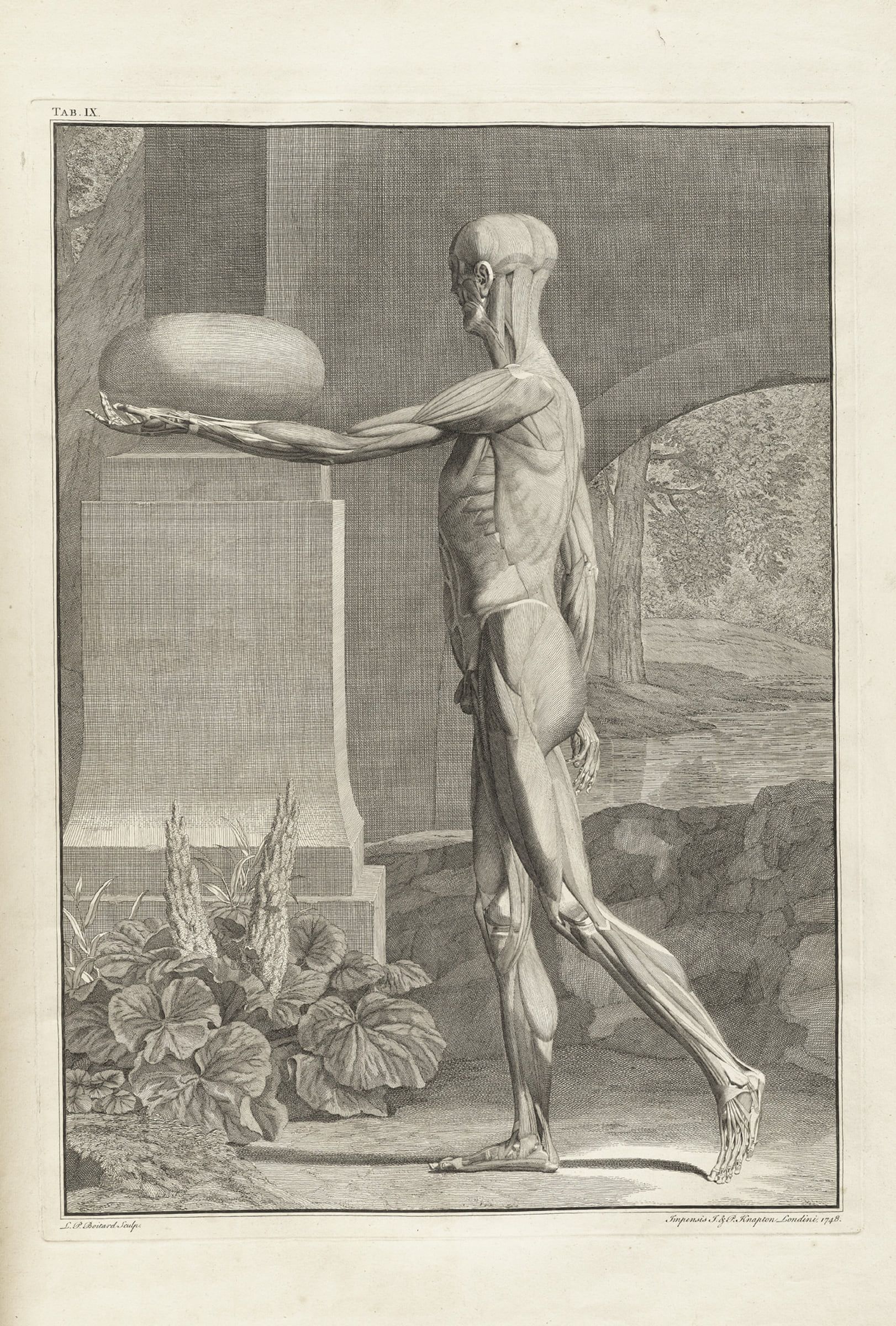
How muscles grow: the science of hypertrophy, and how to train for it
Muscle doesn't grow by tearing and healing bigger; it grows when hard sets load its fibers often enough that building outpaces breakdown. Here is the mechanism, graded by evidence, and what it means for your training week.
Longevity · Guide
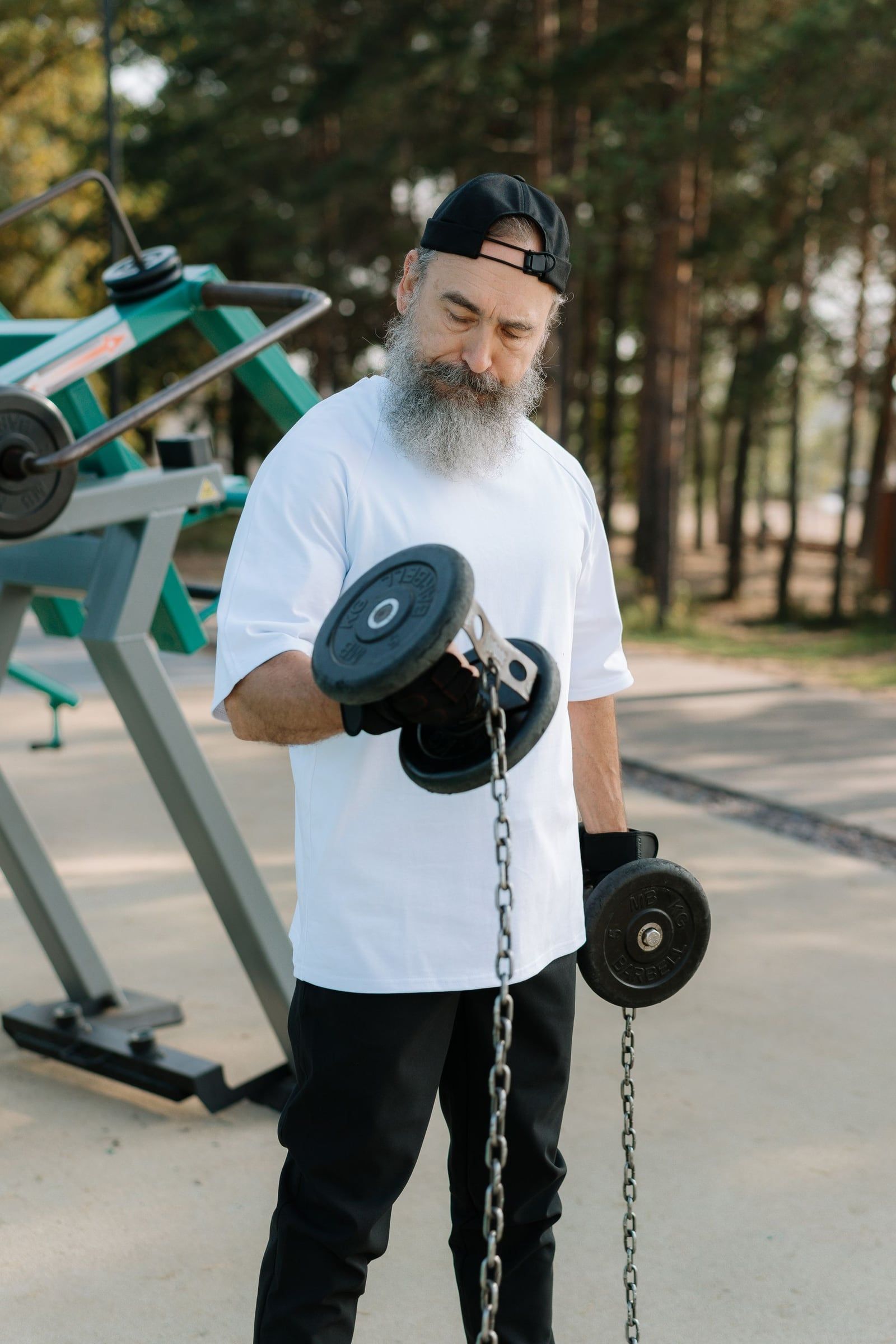
Strength training after 60: why it still works and how to start safely
Trials in people up to their late 90s show that muscle keeps responding to training. This guide is for anyone over 60 starting out, and for the family helping them, with a safe first program that includes the power and balance work most guides skip.
Training · Guide
How to start strength training: the smallest plan that works
The minimum that works is smaller than most programs suggest. Here is what to do this week, why each choice works, and how to keep progressing for 6 months, with or without a gym.