An independent journal of muscle and the evidence behind itEvery claim graded

An atlas of muscle, built from the research

Everything we know about muscle, and how sure we are.

Muscles and Science is an independent journal. We read the research on training, rehab, nutrition and aging, grade how strong it is, and turn it into plans you can use at 25 or at 75.

Every claim we publish carries a grade

  • Strong
  • Moderate
  • Emerging
  • Limited
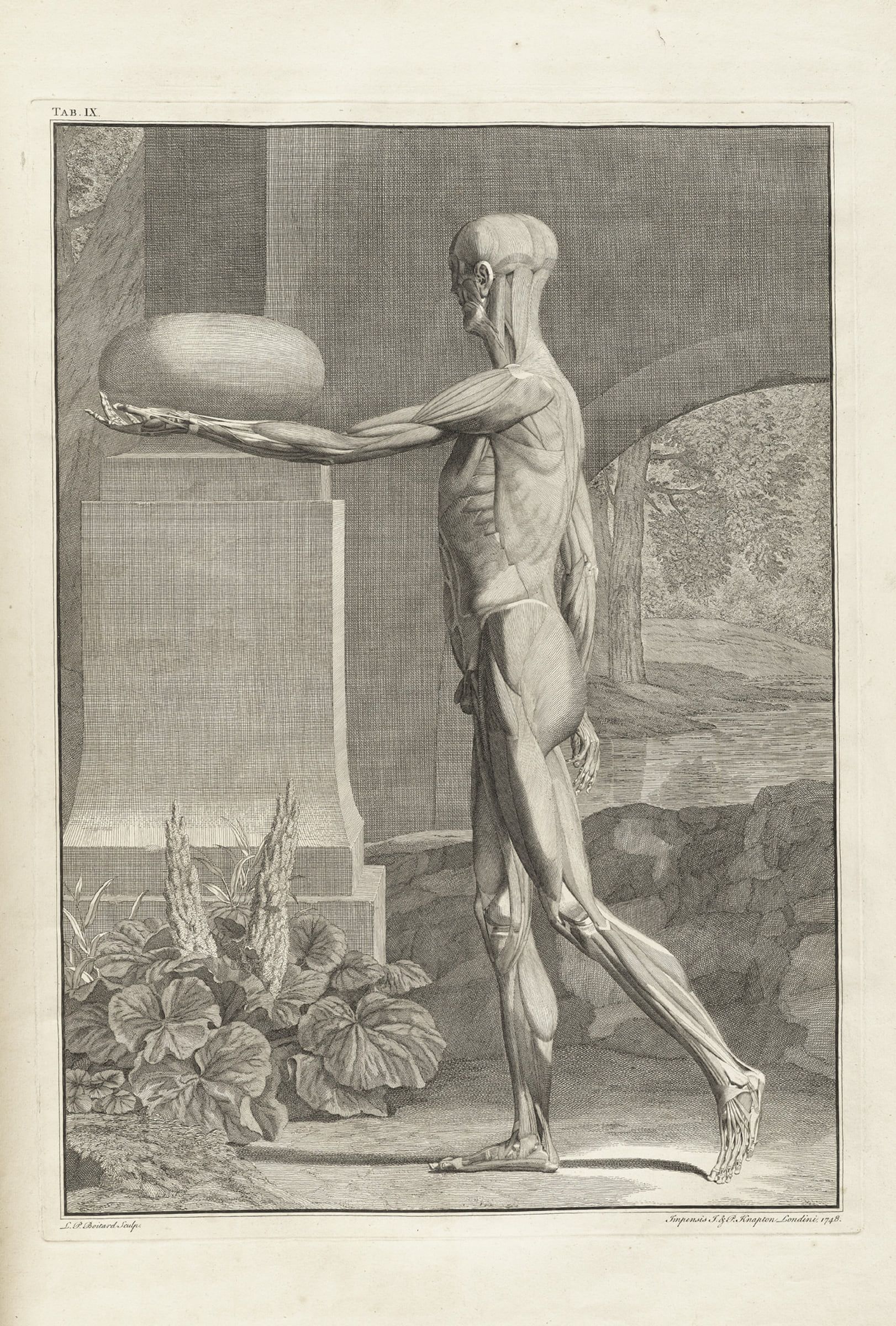
Engraving of a human figure with the muscles exposed, seen from the side, striding past a stone block
Pl. 1Tab. IX: the muscles from the side, after Jan Wandelaar's drawing for Albinus's Tabulae (1747), London edition of 1749.Bernhard Siegfried Albinus and Jan Wandelaar, Tabulae sceleti et musculorum corporis humani, London edition (1749). Public domain, via Wikimedia Commons

Latest

RSS feed

The six departments

  1. 01

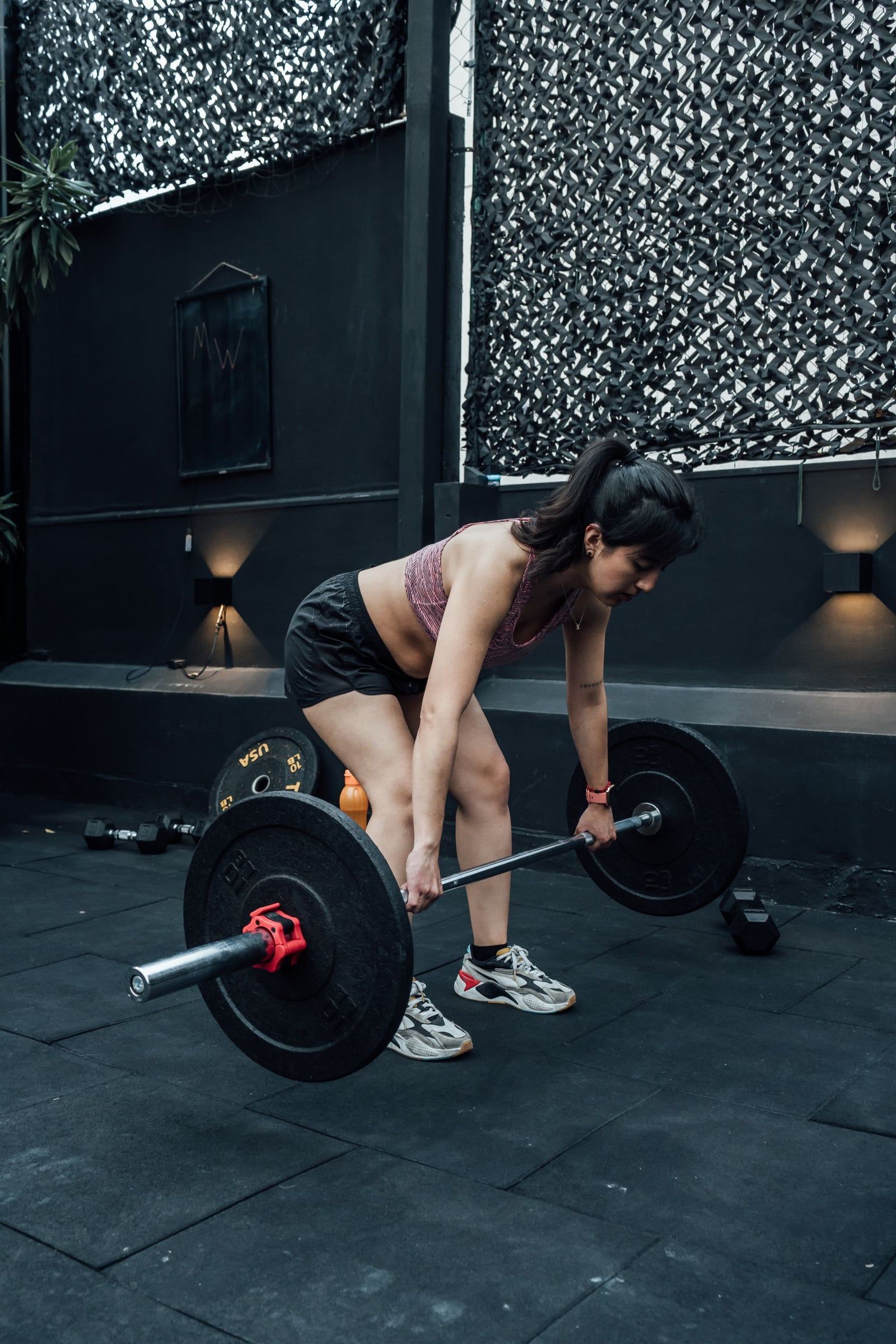
    Muscle Growth

    Tension, volume, effort and recovery, and how they turn into size.

  2. 02

    Training

    Strength, technique and programming that lasts for years, not weeks.

  3. 03

    Rehab & Injury

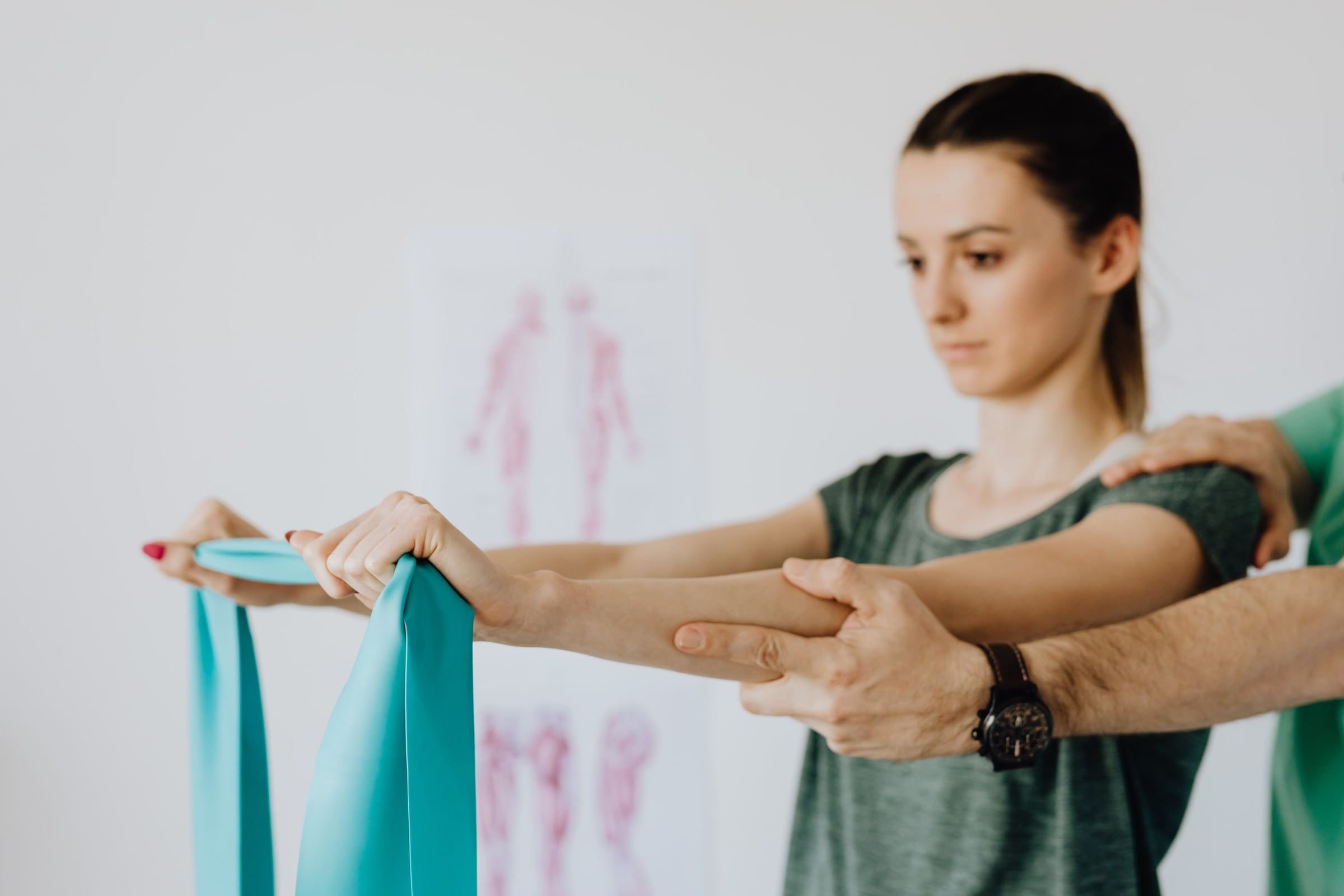
    Using load to heal tendons, backs, knees and shoulders.

  4. 04

    Nutrition

  5. 05

    Longevity

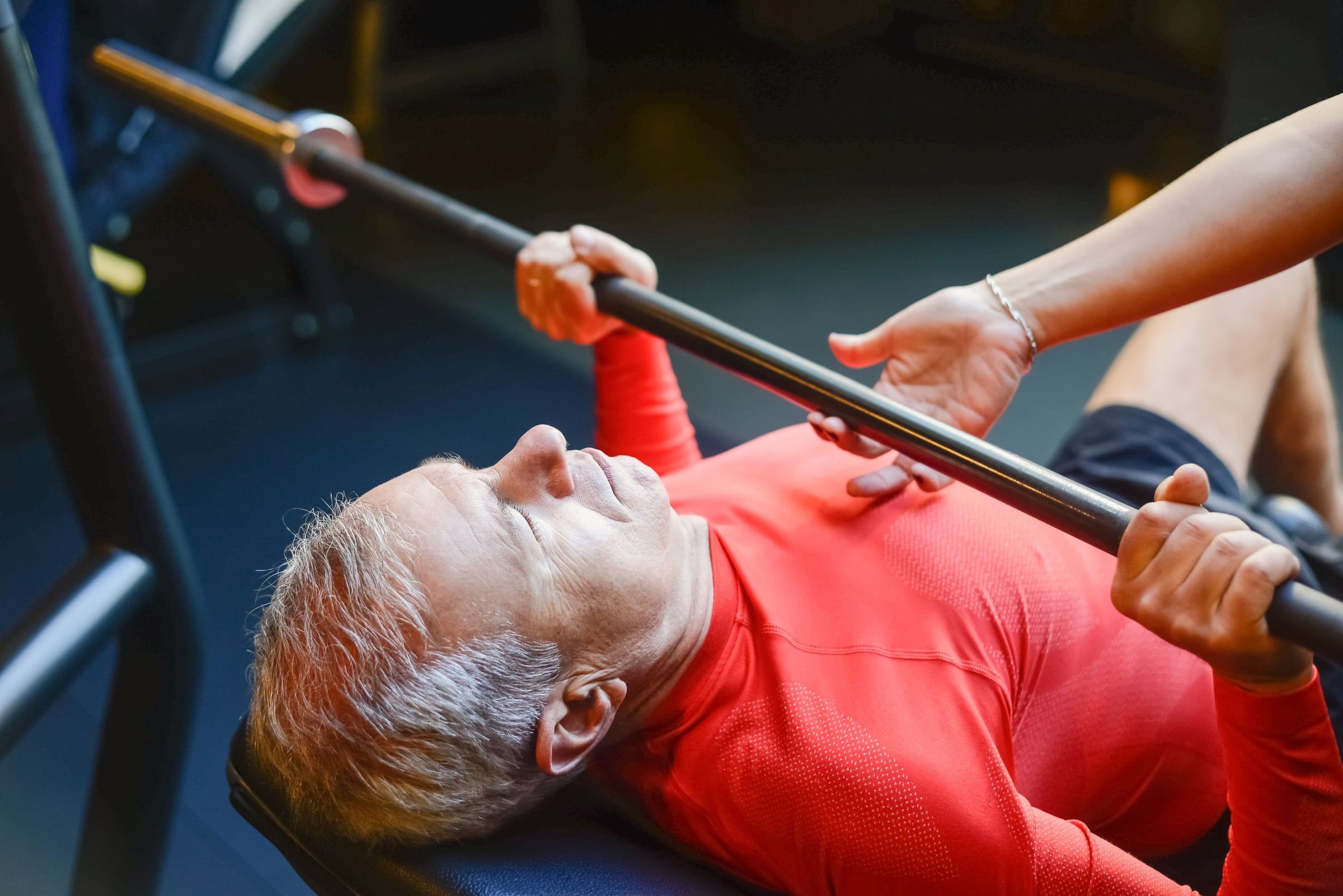
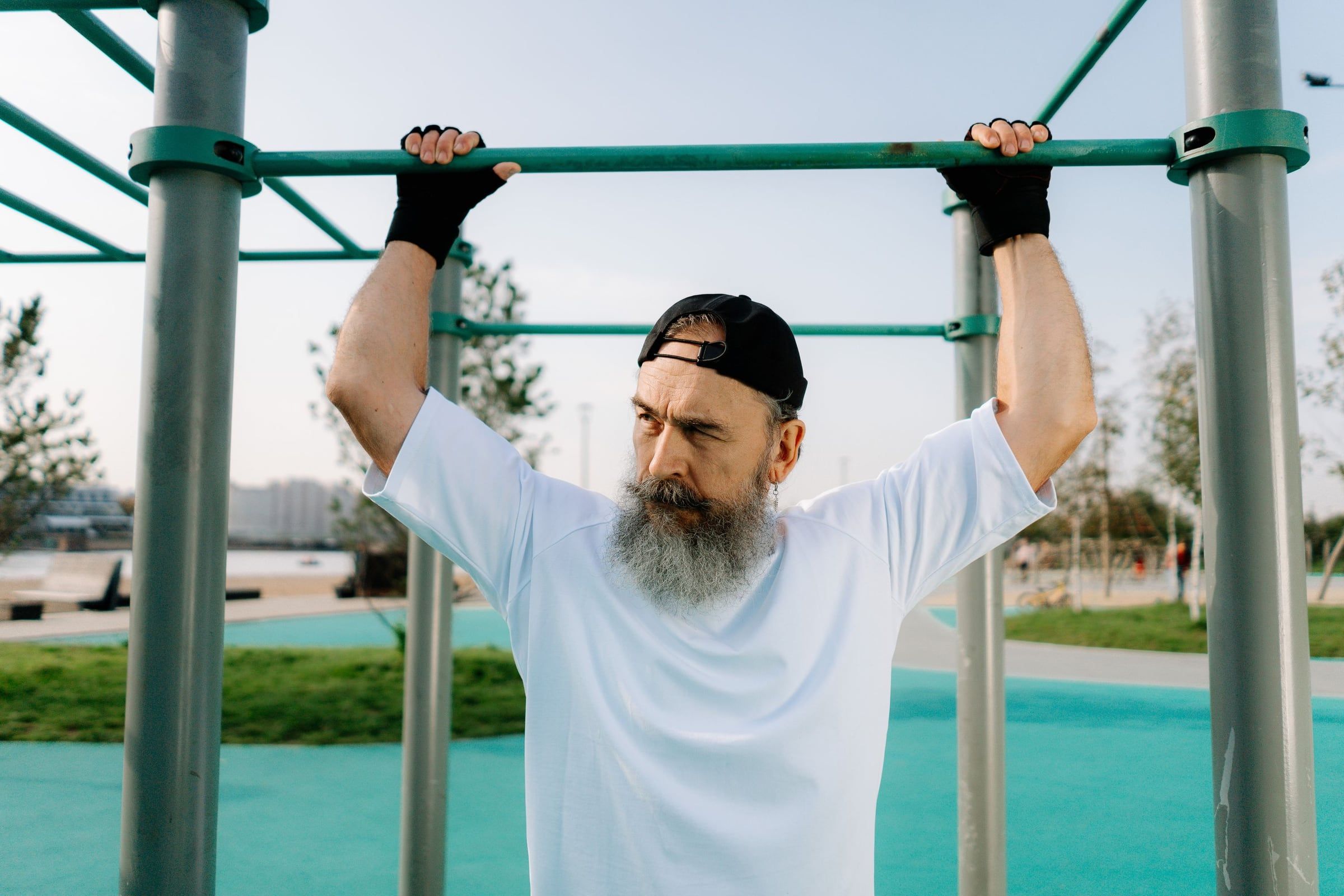
    Sarcopenia, menopause, bone and balance: strength for every decade.

  6. 06

    Apps & AI

Tested: workout apps

We judged the apps against the science of training.

Apps now plan a lot of people's training. We judged 20 of them against what the research says works, from progression and recovery to injuries and long-term planning, and checked every fact at the source.

Read the full comparison
  1. 01BudyBest overall
  2. 02Alpha ProgressionBest set-by-set progression
  3. 03FitbodBest AI workout generator
  4. 04GravlBest automatic overload
  5. 05HevyBest free workout tracker
  6. 06BoostcampBest for proven programs

Start here if you are…

How we work

Our methods →
  1. 01Every claim is cited.

    To primary research, with a DOI or PubMed link you can check yourself. No “studies show” without the study.

  2. 02Every reference is verified.

    Each citation is checked against PubMed or Crossref before it is published, so it exists and says what we say it says.

  3. 03Every claim is graded.

    Strong, moderate, emerging or limited. Where the evidence is thin or only in young men, we tell you.

  4. 04Apps meet the same standard.

    We judge workout apps against what the research says works: progression, recovery, injuries, long-term planning.

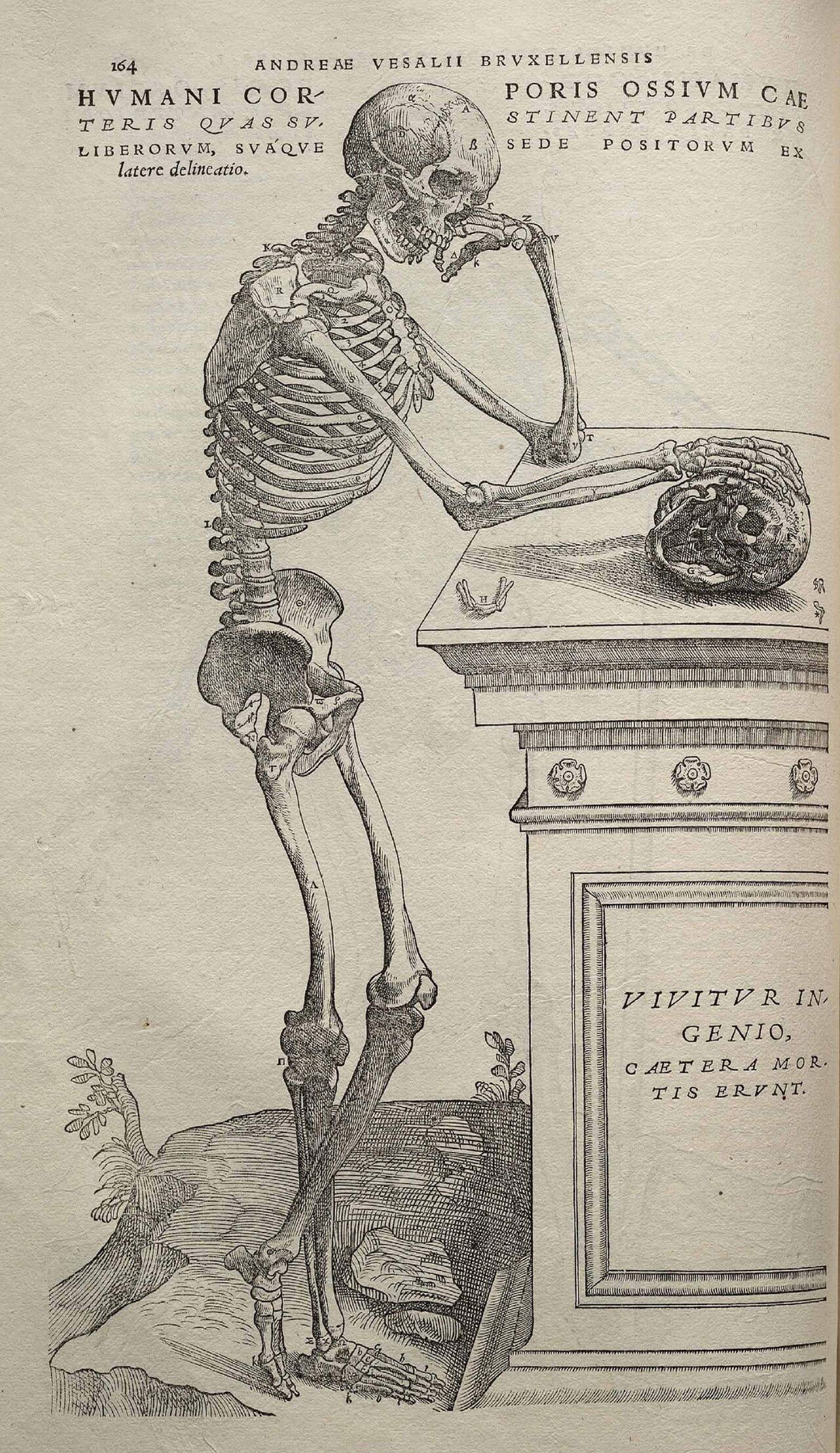
Woodcut of a skeleton leaning on a tomb with one hand resting on a skull
Pl. 2A skeleton contemplating a skull, from Vesalius's De humani corporis fabrica (1543).Andreas Vesalius, De humani corporis fabrica (1543). Public domain, via Wikimedia Commons

Why the old plates

In 1543 Vesalius drew the body from dissection instead of doctrine. We try to treat the research the same way: look at what is actually there.

About the journal