An independent journal of muscle and the evidence behind itEvery claim graded

Nutrition

Protein, energy and the few supplements that work. What you eat, measured against what it actually does to muscle.

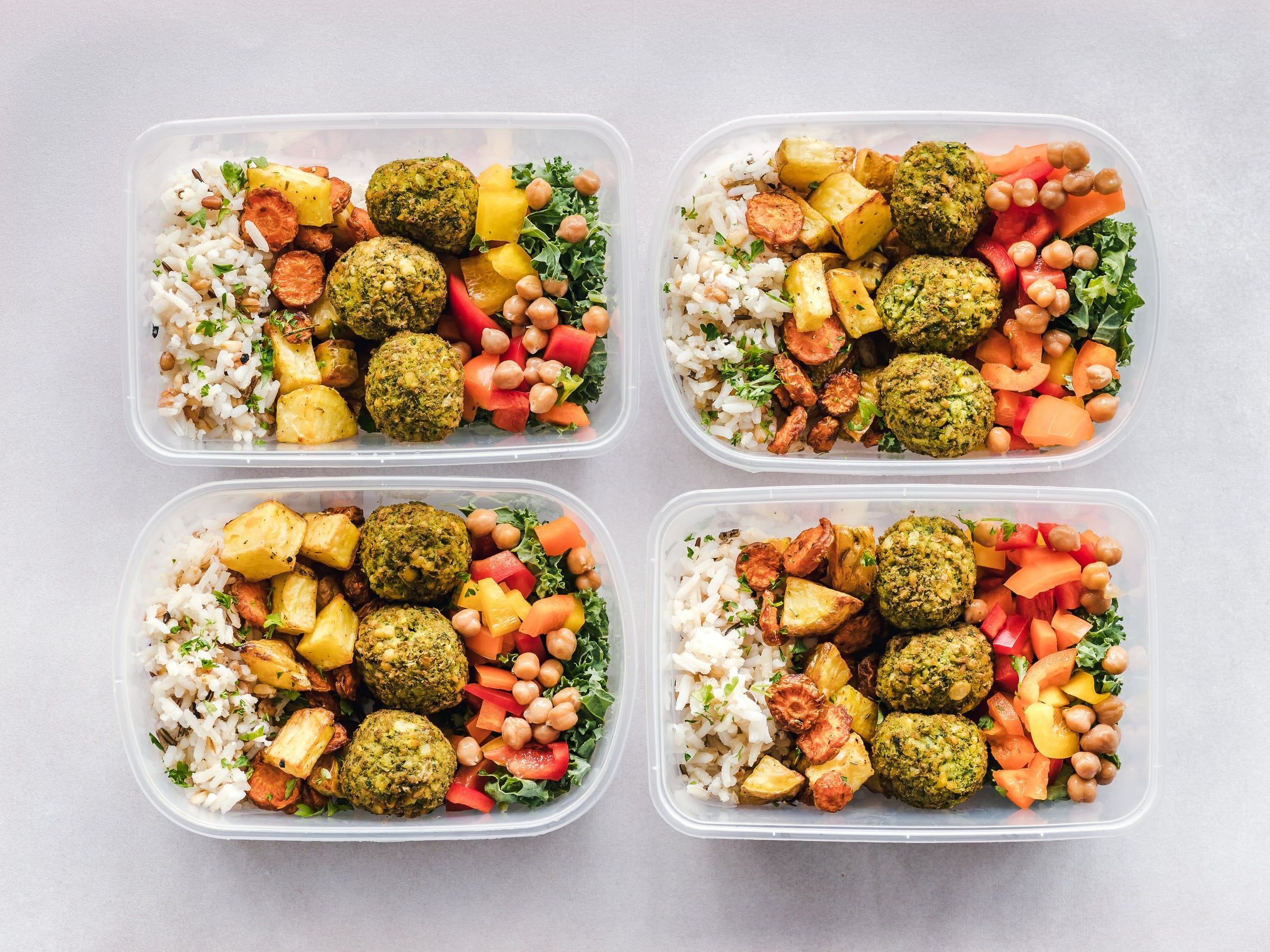
Four meal-prep boxes with falafel, chickpeas, rice and roasted vegetables, seen from above
Photo: Pexels

Start here

Nutrition · Guide

How much protein do you need to build muscle?

The best evidence says extra protein stops adding muscle near 1.6 g per kilogram a day. Here is what moves that number, from age and dieting to plant-based eating and how you split your meals.

Moderate evidence22 min read

Field notes

Updated 2026-11

Nutrition affects muscle in a few big ways and many small ones. The big ways are protein intake, total energy intake, and, for most people, consistency. The small ways fill most of the supplement aisle.

This section focuses on the big levers first and is honest about the small ones. We report doses in grams per kilogram of body weight where the research does, convert them into everyday food, and say when a finding comes from short laboratory studies rather than long-term trials.

How to read this section

  • Start with how much protein you need to build muscle, the question most readers arrive with, then what creatine does and who should take it.
  • Doses come with their population. Protein needs differ between a 25-year-old lifter, a 70-year-old and someone recovering from illness.
  • Supplements are graded like everything else. A supplement with strong evidence is still only worth taking if it fits your goal.
  • Food first, but no food moralizing. We care about what helps muscle, not about labeling foods good or bad.

For how nutrition interacts with aging muscle, see Longevity.